
Independent lawyers · Jávea, Costa Blanca
Buying Property in Spain with a Mortgage
30+Years of Experience
What a Spanish bank will ask a non-resident for, and what your lawyer reviews before you sign the mortgage and the purchase.
Same-day reply, personally from a lawyer.
Scroll
0Established
0Years in practice
HundredsProperty and inheritance matters
0Google reviews
How can we help?
Choose what you need
Non-residents can buy a property in Spain with a Spanish mortgage, but the bank sets its own conditions for each buyer, and the mortgage has to fit the purchase contract and the completion date. We review the bank’s offer and the mortgage deed for you and coordinate them with the purchase, from our office in Jávea and our associated office in Dénia. We are Spanish lawyers: we do not arrange mortgages and we receive nothing from banks.
The bankWhat a Spanish bank will look at
Each bank decides how much it will lend against its own valuation of the property, and lending conditions for non-residents are usually stricter than for residents. You will need your own funds for the part of the price the bank does not cover and for the taxes and costs of the purchase, so ask the bank for its conditions in writing before you sign any contract with the seller.
PaperworkThe documents the bank will ask for
- NIEThe Spanish foreigner’s identity number. It has to be applied for in person, in Spain or at a Spanish consulate; it cannot be obtained by power of attorney.
- PassportA valid passport for each borrower.
- IncomePayslips and employment contract, accounts if you are self-employed, or proof of your pension.
- Tax returnsYour recent tax returns from your home country, usually with a translation.
- Bank statementsStatements showing your income, your savings and your existing commitments.
- Other debtsDetails of any other mortgages or loans, and a credit report where the bank asks for one.
InterestFixed, variable or mixed
- VariableThe interest is linked to the Euribor plus a margin and is reviewed periodically, so your payments go up and down.
- FixedThe same interest for the whole term, so your payments are known from the start.
- MixedA fixed period at the beginning, followed by a variable rate.
Our roleWhat we review before you sign
- The binding offerThe bank’s standardised information sheet (FEIN) and its binding offer: the interest, the term, the early repayment conditions and what happens if a payment is missed.
- Linked productsLife or home insurance, cards or other products the bank links to the mortgage, and what changes if you do not take them.
- The purchase contractA purchase contract that takes the mortgage into account, so you are not bound to complete without the bank’s approval where that can be agreed with the seller.
- The notaryUnder Law 5/2019 the notary checks, before the signing, that you have received the information and understood the terms. We prepare that meeting with you.
- CompletionThe purchase deed and the mortgage deed are signed together before the notary, in person or through a power of attorney.
- RegistrationThe property is registered in your name and the mortgage is recorded at the Land Registry.
ProtectionThe 2019 mortgage law
Law 5/2019 on real estate credit gives borrowers stronger protection: the bank must give you the full pre-contractual information in advance, the notary must confirm that you understand the terms before you sign, the bank bears the notary, registry and stamp duty costs of the mortgage deed, and early repayment fees are limited. It is still important to have independent advice on the terms of your mortgage.
Frequently asked questions
Can British citizens get a mortgage in Spain after Brexit?
Yes. Spanish banks still lend to British buyers, as non-EU non-residents. The conditions depend on the bank and on your profile.
Can I get a mortgage in Spain if I am retired?
Yes, if your pension income is sufficient for the bank. Banks usually take the borrower’s age into account when setting the term.
Should I borrow in Spain or in my home country?
Both are possible. A mortgage in euros avoids currency risk on a euro loan, while a loan at home may suit you better. That choice is for you and your financial adviser; we review the Spanish side.
Can I sign the mortgage without coming to Spain?
Yes, with a power of attorney that expressly covers the mortgage, if the bank accepts it. Only the NIE has to be applied for in person.
How we work
From our office in Jávea and the associated office in Dénia we work across the northern Costa Blanca: Jávea, Dénia, Moraira, Teulada, Benitachell, Benissa, Calpe and Altea. See also the costs of buying a property in Spain and the conveyancing process step by step.
Tomas Ballestero Lawyers has advised international clients on Spanish property for more than 30 years. We work in English, French and Spanish.
Cannot travel to Spain?
With a power of attorney we complete every step on your behalf, from the first document to the registration of the property, remotely and safely.
Call +34 607 320 768The lawyers who will handle your matter
José Manuel Tomas
Property, Inheritance and Donations · Admitted to the Valencia Bar in 1992 (no. 6407) · Alicante Bar no. 9382
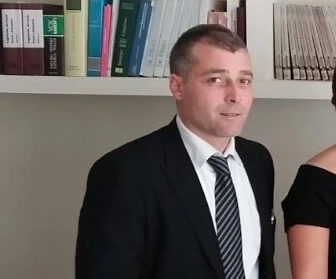
José Rico
Family Law · Valencia Bar no. 12075
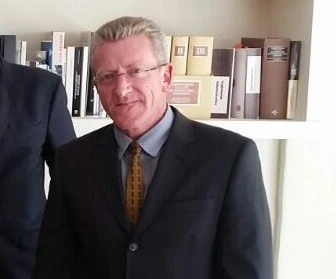
Mariano Ortuño
Valencia Bar no. 6041
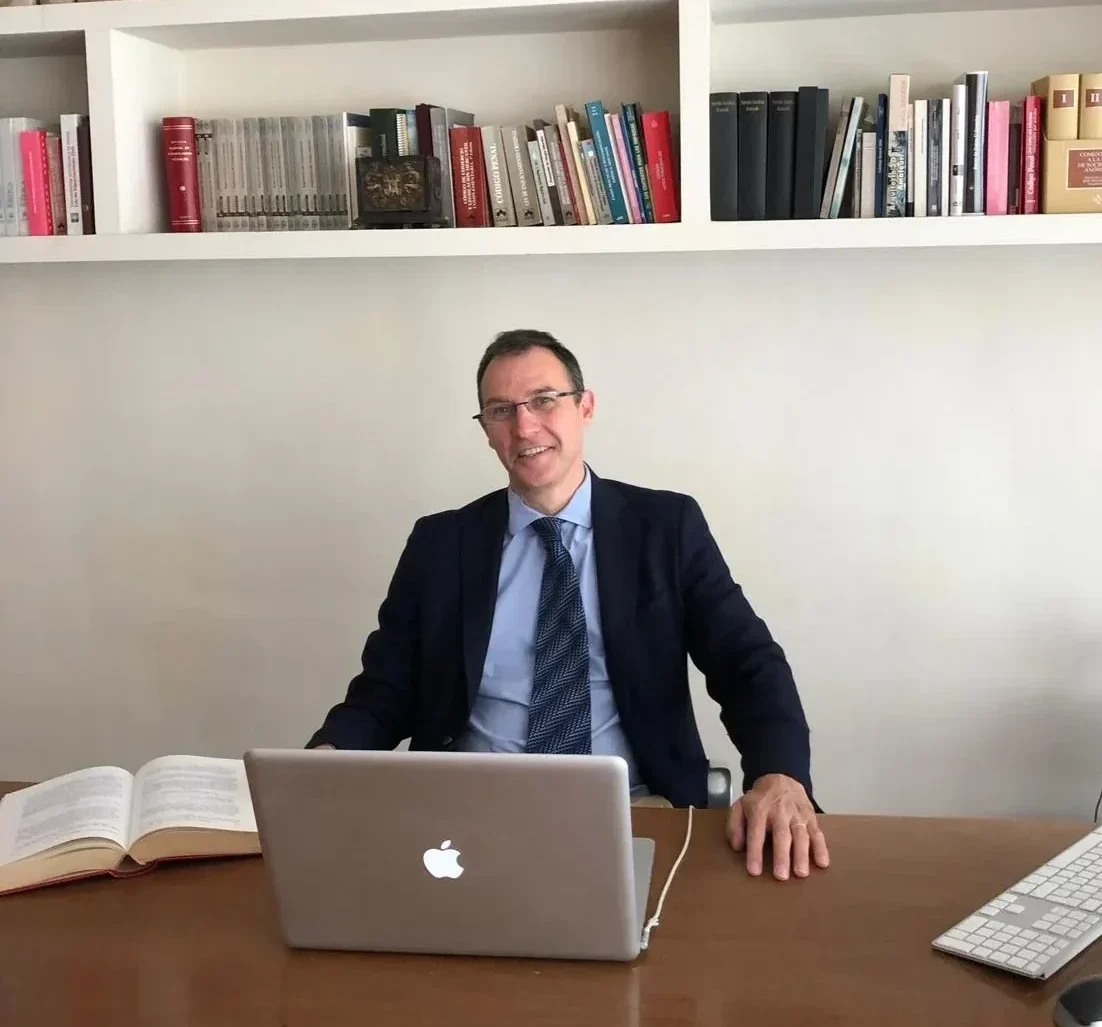
Manuel Lopez de Andujar
Property, Inheritance and Donations · Valencia Bar no. 7773
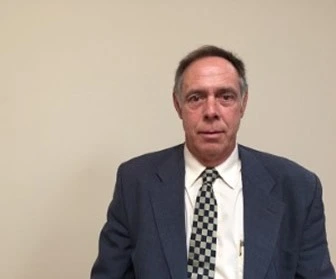
Juan Poch
Property, Inheritance and Donations · Alicante Bar no. 3607

María Salvá
Property, Inheritance and Donations – Dénia · Alicante Bar no. 3699
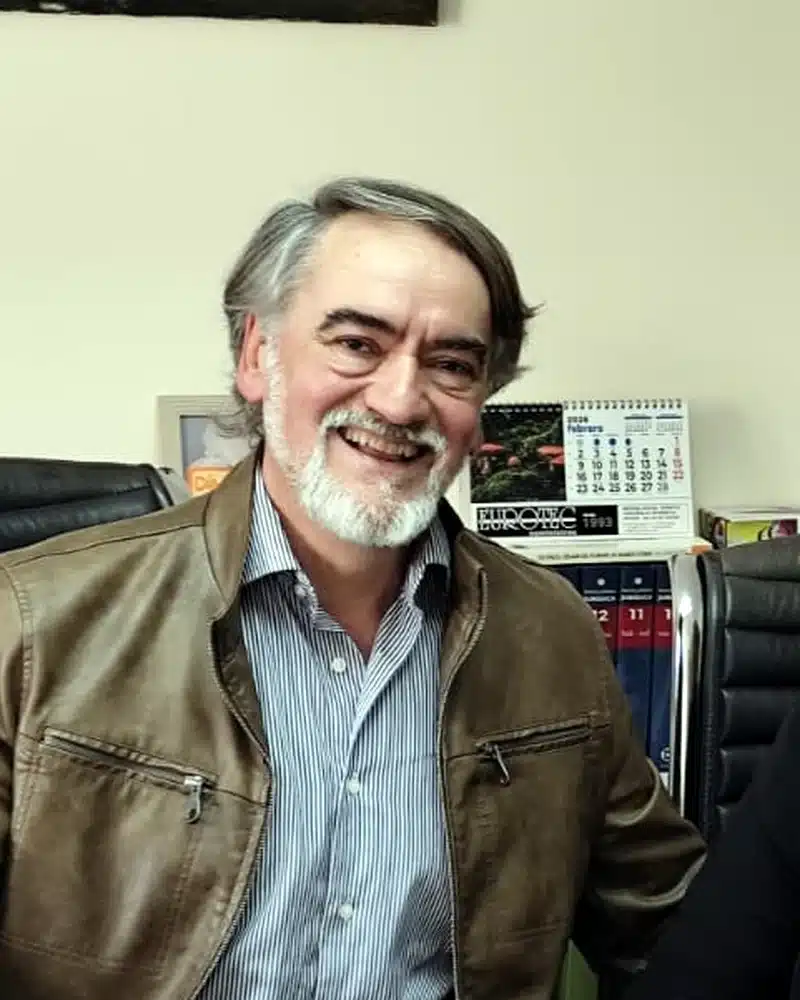
Antonio Rodríguez de Sola
Property, Inheritance and Donations – Dénia · Alicante Bar no. 3374
Buying in Spain? See the conveyancing process step by step.
How we meetIn person in Jávea, or 100% remote
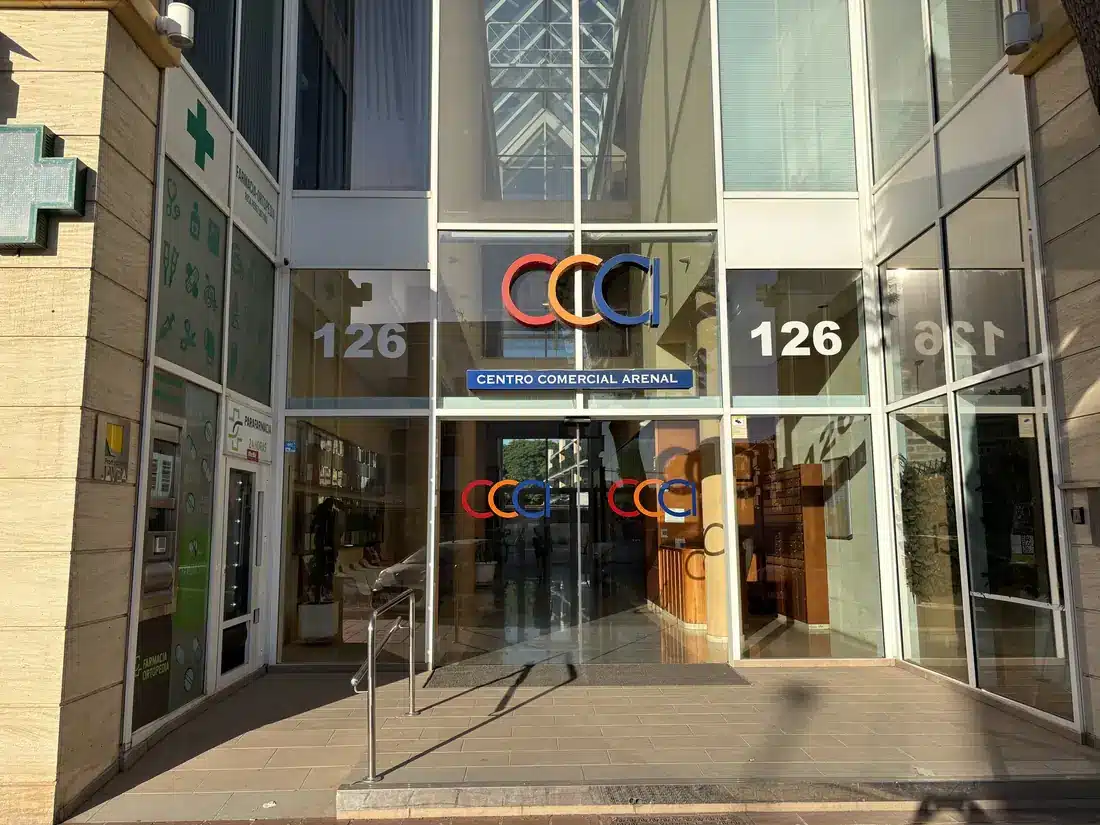
100% remote, from homeMost of our clients never need to travel. We work by email, phone, WhatsApp and video call, and you sign through a power of attorney. Only the NIE has to be applied for in person, in Spain or at a Spanish consulate.
How much do you charge?
Every case is different, so before any work starts we send you a written quote. You know our fee from the beginning, with no surprises at the end.
Next stepWhat happens when you contact us
- You send your enquiryThrough the form below, by phone, WhatsApp or email. A few lines are enough.
- A lawyer reads itNot an assistant: one of our lawyers reviews your situation and replies personally, the same day.
- We tell you the next stepWhat needs to be checked first, and which documents would help.
- We confirm scope and feeIn writing, before any work starts.
- You decideNothing is commissioned until you say yes.
This page is general information about Spanish law and does not constitute legal advice. Every case is different and you should take advice on your own circumstances before acting.
Independent lawyers · Jávea
Buying with a Spanish mortgage?
Tell us in a few lines what it is about. We reply the same day.
Tell us about your matteror call +34 607 320 768