
Independent property lawyers · Jávea, Costa Blanca
Buying Property: Spain vs UK — Differences for British Buyers
30+Years of Experience
How buying a home in Spain differs from England and Wales, explained by independent Spanish lawyers in Jávea.
Same-day reply, personally from a lawyer.
Scroll
0Established
0Years in practice
HundredsProperty and inheritance matters
0Google reviews
How can we help?
Choose what you need
If you have bought a home in England or Wales, buying in Spain will feel familiar in some ways and very different in others. There is no exchange of contracts, the deed is signed before a notary, and the checks that protect you are done by your own independent Spanish lawyer before you pay any deposit. Done in the right order, the process is safe, and British expats can complete it entirely by power of attorney.
Spain and the UKThe main differences
- Your lawyerIn the UK your solicitor runs the transaction. In Spain your own independent Spanish lawyer does the legal checks, prepares or reviews the contracts and completes for you.
- The notaryThe Spanish notary is an impartial public official who checks the legality of the deed and reads it to the parties, but does not advise you or investigate the property.
- No exchangeInstead of exchange of contracts, a private contract with a deposit binds both sides, and completion takes place later with the public deed before the notary.
- The Land RegistryAfter completion the deed is registered at the Spanish Land Registry, which is what protects your ownership against third parties.
Step by stepHow a purchase works in Spain
A reservation, if there is one, is followed by the legal checks at the Land Registry, the Catastro and the town hall. Then comes the private contract, usually with a penalty deposit (arras penitenciales): if the buyer withdraws, the deposit is lost; if the seller withdraws, it is returned doubled. Completion takes place before the notary, where the price is paid and the deed is signed, and we then pay the purchase taxes and register the property in your name.
Before you commitWhat a British buyer may not expect
- Extensions and poolsBuilt without a licence, they can lead to fines or orders from the town hall.
- Community debtsUnpaid community fees can follow the property, so they are checked before completion.
- ChargesMortgages or embargoes that have not been cancelled at the Land Registry.
- Off-planOn a new build, the payments made before completion must be guaranteed by a bank or an insurer.
For a villa we always advise a technical inspection by an architect. We can put you in touch with Sergio Tomás Arquitectos in Jávea, an architect we usually work with, or you can instruct one of your own choice. Boundaries, measurements and the state of the building are a matter for the architect; the legal checks are ours.
Tax in SpainTaxes when you buy, own and sell
A resale property pays transfer tax; a new build pays VAT and stamp duty instead. While you own it as a non-resident, you file an annual non-resident tax return for the property, and since Brexit British owners are taxed on it as non-EU residents, which is less favourable. When you sell as a non-resident, the buyer withholds part of the price on account of your tax. We put the figures in writing before anything is signed. Tax in the United Kingdom is a matter for your UK adviser.
From the UKYou do not have to come to Spain
Apart from the NIE, which has to be applied for in person, the whole purchase can be handled through a power of attorney, signed at a Spanish consulate in the United Kingdom or before a UK notary, then apostilled and translated. Brexit has not changed this. We draft the wording and send it to you ready to sign.
Questions
Can my UK solicitor handle the Spanish purchase?
The purchase of a property in Spain is governed by Spanish law and completed before a Spanish notary, so you need a Spanish lawyer. We are Spanish lawyers and we cover the Spanish side; anything in the United Kingdom is a matter for your UK solicitor.
Can British citizens still buy property in Spain after Brexit?
Yes. There are no restrictions on British citizens buying property in Spain. Staying in Spain is a separate matter, governed by the immigration rules.
And if I inherit a property in Spain?
See our guide to inheritance in Spain and the UK.
How we work
We act from our office in Jávea and through our associated office in Dénia, across the north Costa Blanca: Jávea, Moraira, Teulada, Benitachell, Benissa, Dénia and Altea. See our property lawyers on the Costa Blanca, what a conveyancing lawyer does in Spain and our guide to the nota simple.
Tomas Ballestero Lawyers has been advising international clients on Spanish property and succession for more than 30 years. We work in English, Spanish and French.
Cannot travel to Spain?
With a power of attorney we complete every step on your behalf, from the first document to the registration of the property, remotely and safely.
Call +34 607 320 768The lawyers who will handle your purchase
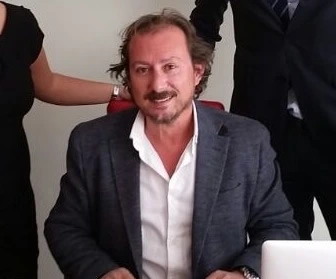
José Manuel Tomas
Property, Inheritance and Donations · Admitted to the Valencia Bar in 1992 (no. 6407) · Alicante Bar no. 9382
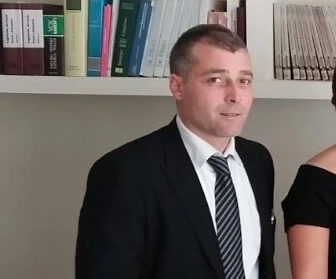
José Rico
Family Law · Valencia Bar no. 12075
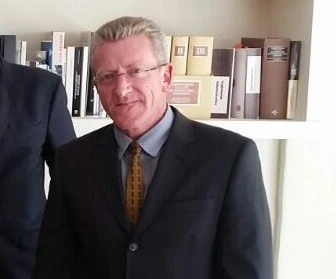
Mariano Ortuño
Valencia Bar no. 6041

Manuel Lopez de Andujar
Property, Inheritance and Donations · Valencia Bar no. 7773
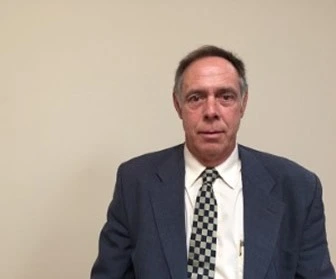
Juan Poch
Property, Inheritance and Donations · Alicante Bar no. 3607

María Salvá
Property, Inheritance and Donations – Dénia · Alicante Bar no. 3699
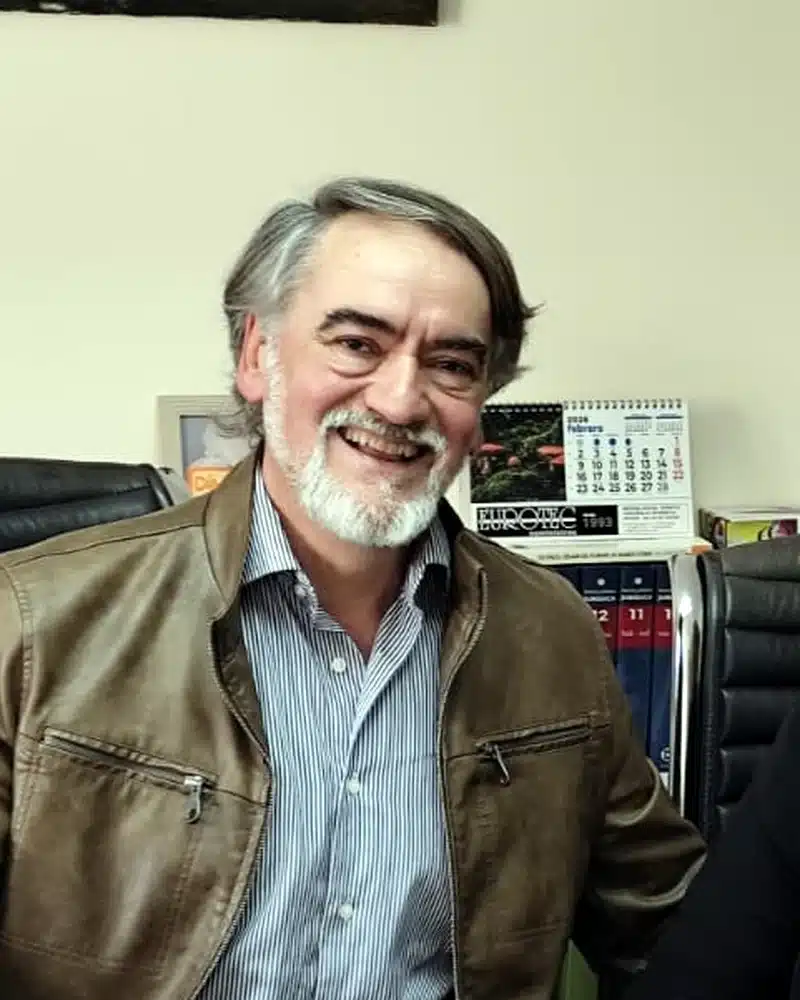
Antonio Rodríguez de Sola
Property, Inheritance and Donations – Dénia · Alicante Bar no. 3374
Selling later? See selling a property in Spain as a non-resident.
How we meetIn person in Jávea, or 100% remote
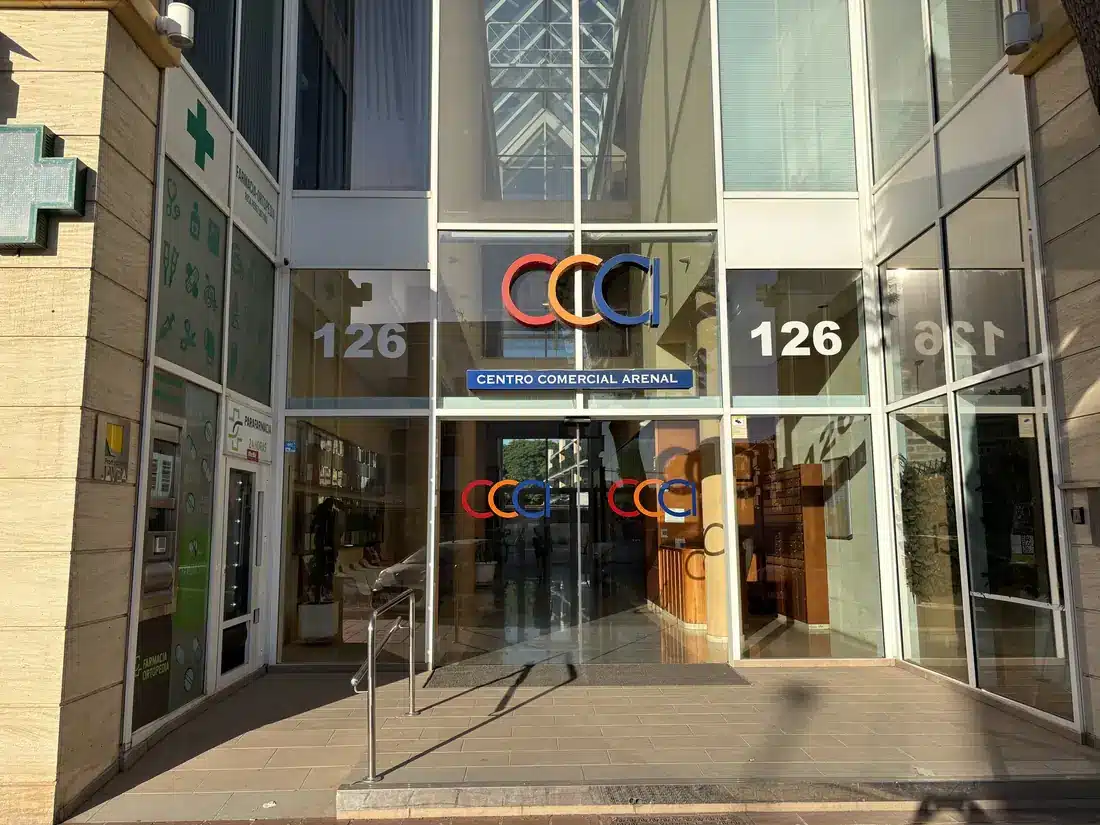
100% remote, from homeMost of our clients never need to travel. We work by email, phone, WhatsApp and video call, and you sign through a power of attorney. Only the NIE has to be applied for in person, in Spain or at a Spanish consulate.
How much do you charge?
Every purchase is different, so before any work starts we send you a written quote. You know our fee from the beginning, with no surprises at the end.
Next stepWhat happens when you contact us
- You send your enquiryThrough the form below, by phone, WhatsApp or email. A few lines are enough.
- A lawyer reads itNot an assistant: one of our lawyers reviews your situation and replies personally, the same day.
- We tell you the next stepWhat needs to be checked first, and which documents would help.
- We confirm scope and feeIn writing, before any work starts.
- You decideNothing is commissioned until you say yes.
This page is general information about Spanish law and does not constitute legal advice. Every property is different and you should take advice on your own circumstances before acting.
Independent property lawyers · Jávea
Buying a property in Spain from the UK?
Send us a few lines about the property. We reply the same day.
Talk to us about your purchaseor call +34 607 320 768