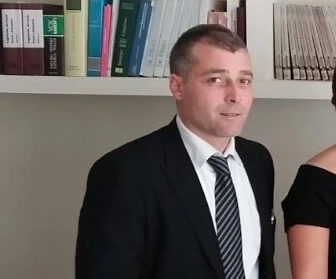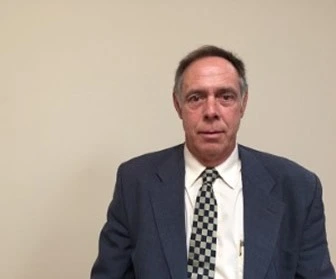

Independent Spanish lawyers helping British expats and international clients buy and sell property in Jávea, Moraira, Dénia and across the Costa Blanca for over 30 years.
When you buy a property in Spain, the notary does not check the property for you and the estate agent’s job is to bring the sale to completion. An independent conveyancing lawyer is the only person in the transaction whose sole job is to protect you: checking the Land Registry and the cadastre, confirming the property is free of debts and charges, reviewing the deposit contract before you commit, and representing you at completion. We have been doing exactly that on the Costa Blanca and in Valencia for more than 30 years, in English, French and Spanish, and the whole purchase or sale can be completed by power of attorney without travelling to Spain.
Are you planning to buy or sell property in Javea, Denia, Moraira, Benitachell or anywhere on the Costa Blanca? Purchasing or selling real estate on the Costa Blanca and Valencia coast can be complex if you are unfamiliar with Spanish property law, local regulations, tax obligations and administrative procedures. Our law firm in Javea has been helping British expats and other international clients for over 30 years with property transactions in Javea, Costa Blanca and Valencia, providing complete legal protection at every stage.
ConveyancingWhat is Spanish conveyancing?
Conveyancing in Spain is the legal process of transferring property ownership from seller to buyer. Unlike in the UK, the Spanish notary only certifies the deed — they do not check the property is free of debts, planning issues, or hidden liabilities. A qualified conveyancing solicitor in Spain runs full due diligence: Land Registry searches, Cadastre verification, Town Hall planning checks, community-fee certificates, and tax obligations. Hiring an independent conveyancing lawyer in Spain is the only way to ensure you receive clean, registered title to the property.
Our firm has handled Spanish conveyancing for British, French, Belgian, Dutch, German, Swiss, American and Scandinavian buyers across Javea, Denia, Moraira, Benitachell, Benissa, Altea, Valencia city and the wider Costa Blanca for over 30 years — every transaction in English or French.
Why a lawyerWhy you need a real estate lawyer in Spain
Buying or selling real estate in Javea, Costa Blanca and Valencia involves much more than signing at the notary. Spanish property law, local planning rules, taxes, debts attached to the property and administrative procedures can create serious problems if they are not handled correctly. Common risks without a lawyer:
- Property with hidden debts or mortgages
- Illegal constructions or builds without planning permission
- Unpaid community fees
- Undetected urban planning issues
- Contracts that favour the seller or estate agent
As independent property lawyers, we do not work for the estate agent or the seller. Our only role is to protect your interests and ensure the property is legally sound before you commit.
BuyingProperty purchases in Spain: legal support for buyers
Buying a property in Javea, Costa Blanca or Valencia without independent legal advice can expose you to hidden debts, illegal constructions or planning issues that may surface years later. What we do for buyers:
- Full legal due diligence on the property
- Verification of ownership and title deeds at the Land Registry (Registro de la Propiedad)
- Checks for mortgages, debts, charges and liens
- Review of planning permissions and building legality
- Verification of land classification
- Drafting and review of reservation contracts (contrato de arras)
- Drafting and review of purchase contracts
- Legal representation at the Spanish notary
- Power of Attorney (POA) if you cannot attend in person
- Spanish bank account opening assistance
- Calculation and payment of taxes and fees
- Registration of the property at the Land Registry
- Legal and administrative support after completion
SellingProperty sales in Spain: legal protection for sellers
Selling a property in Javea, Costa Blanca or Valencia also carries legal responsibilities. Sellers may be liable for outstanding taxes, community debts or incorrect documentation if the sale is not properly managed. What we do for sellers:
- Complete legal preparation of the sale
- Obtaining the Energy Performance Certificate
- Review and update of all property documentation
- Drafting and review of sale contracts
- Coordination with notary and buyer’s lawyers
- Calculation of capital gains tax (plusvalía)
- Calculation of income tax on property gains
- Assistance with non-resident tax obligations
- Representation via Power of Attorney if you are abroad
- Settlement of outstanding debts linked to the property
- Secure completion and post-sale formalities
In practiceReal examples from our practice
- Villa Purchase in Javea – Illegal Extension DiscoveredA British couple wanted to buy a villa in Javea through an estate agent. Before completion, we conducted a full legal review of the property. Problem discovered: An extension of 50m² had been built without planning permission. Our solution: We negotiated a price reduction and ensured the seller obtained retrospective planning permission before signing. The buyers completed the purchase without risk of future fines or demolition orders.
- Apartment Purchase in Denia – Hidden MortgageA retired couple from the UK found their dream apartment in Denia and were ready to sign. Problem discovered: The property had an outstanding mortgage that the seller had not disclosed. Our solution: We ensured the mortgage was fully cancelled at completion using the sale proceeds, protecting the buyers from inheriting the seller’s debt.
- Property Sale in Moraira – Documentation IssuesA non-resident owner wanted to sell their property in Moraira but the sale kept falling through. Problems discovered: Property not correctly registered at the Land Registry; Community fees unpaid for 18 months; Energy certificate missing. Our solution: We regularised all issues before the property went back on the market, allowing the sale to complete successfully at the asking price.
- Off-Plan Purchase in Valencia – Contract ProtectionClients from Ireland wanted to buy an off-plan apartment in Valencia from a developer. Our review included: analysis of building permits, verification of bank guarantees protecting stage payments, review of contractual clauses, and analysis of delivery conditions and penalties. Result: We had 7 clauses modified to better protect the buyers against delays, hidden costs and unilateral changes by the developer.
- Remote Purchase via Power of AttorneyClients from Australia wanted to buy a townhouse but could not travel to Spain. We handled the entire purchase via Power of Attorney (POA): contract negotiations, full legal due diligence, signing at the notary on their behalf and Land Registry registration. The transaction was completed without the clients leaving Australia.
- Purchase with Unpaid Community DebtsA German buyer had already paid a deposit for an apartment before consulting us. Problem discovered: The property had significant unpaid community fees that would transfer to the new owner under Spanish law. Our solution: We negotiated that the seller clear all debts before completion, saving the buyer from inheriting these charges.
I highly recommend Tomas for anyone needing legal support in Spain. They guided me expertly through both a property purchase and a divorce, showing deep knowledge of Spanish law, attention to detail, and clear communication throughout. Reliable, efficient, and trustworthy — an excellent choice for expats or locals alike.★★★★★Lisa D., United Kingdom · Google review
Why usWhy international clients choose our real estate law firm
- 30+ years experienceDeep knowledge of Spanish property law.
- English & French speakingClear communication in English, French or Spanish.
- Independent lawyersWe protect YOUR interests, not the seller’s.
- Complete serviceFrom first contact until after completion.
- Power of Attorney availableNo need to travel to Spain.
- Local officeBased in Jávea.
- 5.0 on GoogleOne of the best rated law firms on the Costa Blanca.
Our processHow we work, step by step
- Initial ConsultationWe analyse your situation, requirements and budget. We answer all your questions about buying or selling property in Spain.
- Legal Due DiligenceComplete verification of the property: title deeds, debts, charges, planning status, building permits.
- Contract NegotiationAssistance during negotiations. Drafting or review of all contracts to protect your interests.
- Notary CompletionAttendance or representation via Power of Attorney at the signing of the public deed.
- After-Sale SupportLand Registry registration and ongoing support for any questions.
Where we workThe Costa Blanca, town by town
Every town on this coast raises its own questions. We know which ones to ask because we deal with them every week.
- Jávea (Xàbia)Villas on the slopes of the Montgó, the Portichol, Cap Martí and Balcón al Mar, where what is built does not always match what is registered or licensed. Conveyancing lawyer in Jávea.
- Moraira and TeuladaFirst-line and hillside plots, where the Spanish Coastal Law and the town-hall licences decide what may be altered, extended or rebuilt. Conveyancing lawyer in Moraira.
- DéniaThe Montgó natural park, Les Rotes and Las Marinas, with environmental and coastal restrictions, and the fincas of the Marina Alta on rustic land. Conveyancing lawyer in Dénia.
- BenitachellCumbre del Sol and the village, where the community statutes, the building phases and the older titles need careful review. Conveyancing solicitor in Benitachell.
- Valencia cityOff-plan purchases that require checks on the bank guarantees, heritage-listed buildings in Ciutat Vella with planning restrictions, and a Land Registry that handles a higher volume than the Costa Blanca offices. Property lawyer in Valencia.
We provide property law services throughout the Costa Blanca and Valencia region: Costa Blanca North: Javea / Xàbia, Denia, Moraira, Benissa, Altea. Valencia region: Valencia city, Gandía, Oliva.
FeesCosts and fees
Our fees are transparent and agreed in advance. We provide a detailed quote before starting any work. For a standard property purchase, our fees cover: all legal checks and due diligence, contract review and negotiation, attendance at the notary, Land Registry registration, and administrative follow-up. Contact us for a personalised quote.
The packageProperty purchase package: fixed scope, no surprises
Buying a property in Spain involves more than signing at the notary. Our Property Purchase Package covers every legal check from offer to land registry, so you know exactly what is included and exactly what is verified before you commit a single euro.
What we verify before you sign
- Land Registry check (Nota Simple)We confirm the seller is the actual owner and that the property is free of mortgages, embargoes, easements or hidden co-owners.
- Town Hall urban planning certificateWe verify the property is fully legal, has no planning infractions, no demolition orders, and no open disciplinary file. Critical on the Costa Blanca where many villas have unregistered extensions.
- Cadastral verificationWe cross-check the registered surface against the cadastral surface — discrepancies are common. Measuring what is actually built is a job for an architect you choose and instruct yourself; if you do not have one, we can give you the contact of Sergio Tomás Arquitectos in Jávea.
- Habitation licence and first occupancy licenceRequired to register utilities and rent the property legally.
- Energy performance certificateMandatory by law for every sale.
- Community of Owners certificateWe confirm the property is up to date on community fees and check for pending special levies or approved works that the buyer would inherit.
- Council tax and waste tax (IBI, basuras)Verified up to date with the town hall.
- Seller identity and capacityValid ID/NIE, marital regime (joint property requires both spouses), corporate powers if the seller is a company, non-resident certificate when applicable.
- Anti-money laundering source-of-funds reviewOn both sides as required by Spanish law.
- Deposit contract (Arras) review and negotiationWe revise or draft the private contract to remove abusive clauses and balance the penalty terms.
- Tax calculation and settlementTransfer Tax (ITP) or VAT plus Stamp Duty for new builds, municipal capital gains (Plusvalía) non-resident retention where applicable.
- Notary attendance and Land Registry filingWe attend the signing on your behalf — by power of attorney if needed — and we track the registration until the title appears in your name.
Why this matters
Most disputes after a Spanish property purchase trace back to one of these checks being skipped or rushed. Our package treats every step as mandatory, not optional — that is what makes the difference between a clean acquisition and an expensive surprise months later.
Who we work with
British, French, Belgian, Dutch, Swiss, Luxembourg, Norwegian and American buyers. All work in English or French — no interpreters, no translation gaps. Office in Jávea and a collaborating office in Dénia.
Tell us about your property and we will send you a written proposal with the scope and the fee. Call +34 965 792 946 or +34 607 320 768, or write to [email protected].
ValenciaConveyancing in Valencia city
Buying in Valencia city follows the same Spanish conveyancing framework as the Costa Blanca, but with specifics: off-plan purchases from local developers (Patacona, Cabanyal, Ruzafa, Ciudad de las Ciencias) require additional checks on bank guarantees under Law 57/1968 and 38/1999; heritage-listed buildings in Ciutat Vella have planning restrictions that limit renovation; and the Valencia Land Registry handles a higher volume than smaller Costa Blanca offices. As your conveyancing solicitor in Spain, we coordinate directly with Valencia notaries and registry offices to keep timelines tight.
- Ciutat Vella (Historic Centre)Historic townhouses, palacetes and Modernist buildings. Conveyancing here often involves cultural-heritage restrictions (BIC properties) and complicated title chains. We verify the status of every property in Ciutat Vella before signing.
- Ruzafa & RussafaTrendy bohemian district with high investment demand. Off-plan, refurbishments and HMO licensing for short-stay rentals. We verify every Junta de Compensación and rental licence before completion.
- El Cabanyal & PataconaBeachfront properties with PEPRI urban-planning constraints. Many properties have pending segregation processes that affect title — we sort these before signing.
- El Pla del Real, Benimaclet & Other DistrictsPremium residential (El Pla del Real), university zones with rental investment (Benimaclet, Algirós), plus full coverage of Camins al Grau, Quatre Carreres, Jesús, Extramurs, La Saïdia, Rascanya, Benicalap and the Poblats Marítims, del Sud and del Nord districts.
What is the IBI (property tax) rate in Valencia city? The IBI (annual property tax) in Valencia is calculated on the cadastral value and is comparatively moderate for coastal Spain, and households also pay a small annual waste-collection charge. We confirm the exact figures for your property before you buy.
Where is the Property Registry (Registro de la Propiedad) in Valencia? Valencia has 16 Property Registries. The one assigned depends on the district. For Ruzafa & Russafa it is Registro nº 1 (Calle Colón). For Patacona it is Registro nº 12.
What are the closing costs when buying a flat in Valencia? The main cost is the Property Transfer Tax (ITP) for resale properties, or VAT plus stamp duty for new builds, set by the region where the property is located. On top of that come the notary, the Land Registry and your legal fees. The exact figures depend on the price, the region and the type of property, so we put the complete calculation in writing before you commit to anything, with no surprises at completion.
Do I need to be physically present in Valencia to buy property? No. With a poder notarial (Power of Attorney) signed at a Spanish consulate or notary in your country plus apostille of The Hague, we handle the entire transaction — contract signing, completion, IBI domiciliation and Property Registry inscription — without you travelling.
Buying a finca or country house inland? See Buying a finca or country house on the Costa Blanca — what we check on rustic land in the Jalón valley, Llíber, Benissa, Pedreguer and inland Teulada.
Selling a high-value villa? See Selling a high-value villa on the Costa Blanca — what we get ready before the villa goes on the market.
Frequently asked questions about conveyancing in Spain
Do I need a lawyer to buy a property in Spain? Legally it is not compulsory, but in practice it is essential for foreign buyers. The Spanish notary authenticates the deed and checks identities; he does not investigate the property on your behalf, and the estate agent’s job is to bring the sale to completion, not to check the property for you. Only an independent lawyer verifies that the property is free of mortgages, embargoes and unpaid community fees, that the licences are in order and that what is built matches what is registered, before your money leaves your account.
Do I need a conveyancing solicitor in Spain or just a notary? You need both, and they perform different roles. The notary is a public official who certifies the deed of sale and verifies the parties’ identity, but the notary does not represent your interests, does not check the property’s legal status, and does not run due diligence. A conveyancing solicitor in Spain represents you exclusively, runs all checks before you sign, negotiates the contract on your behalf, and ensures the title is correctly registered after completion.
How is conveyancing in Spain different from the UK? In the UK a solicitor handles searches, contracts and completion, with the buyer’s lender often instructing them. In Spain there is no equivalent automatic protection: the notary only certifies the deed and does not run due diligence. That is why an independent conveyancing lawyer in Spain is essential — to perform Land Registry, Cadastre and Town Hall checks, vet the deposit contract, and confirm the property is free of debts before you sign.
What does a Spanish conveyancing lawyer check before you buy? The nota simple from the Land Registry, which shows who owns the property and any mortgages or charges; the cadastre, to confirm the registered surface; the urban planning situation and licences, especially for rustic land and older villas; unpaid community fees, IBI and utilities; and the deposit contract, which we correct before you sign it, because that is the moment you become committed.
What does Spanish property conveyancing include? Spanish conveyancing typically covers: due diligence at the Land Registry, legal review of the reservation and private purchase contract (contrato de arras), attending the signing before the notary, and registering the new ownership at the Land Registry. As your conveyancing solicitor in Spain, we coordinate every step end-to-end.
Can I buy or sell a property in Spain without travelling? Yes. With a power of attorney signed before a notary in your own country, apostilled and translated, we complete the entire purchase or sale on your behalf: bank arrangements, the deed at the notary and registration. Most of the transactions we handle for clients in the UK, Ireland, the United States and northern Europe are completed this way.
Do I need a NIE to buy property? Yes, the NIE (Número de Identificación de Extranjero) is mandatory for any property purchase in Spain. It is applied for in person, in Spain or at a Spanish consulate, and cannot be obtained by power of attorney.
What is the difference between a lawyer and a “gestor”? A lawyer verifies that the property is legally sound and protects your interests. A “gestor” only handles administrative paperwork. For a property purchase, a lawyer is strongly recommended.
Do you work with the estate agent? We are independent from any estate agent. Our only client is you, and we only protect your interests.
Can I get a mortgage in Spain as a foreigner? Yes, Spanish banks offer mortgages to non-residents, typically up to a portion of the property value. The mortgage conditions are a matter for the bank; we review the mortgage deed as part of the purchase.
What happens if problems are found with the property? We advise you on the best course of action: negotiate a price reduction, request the seller to fix the issues, or in serious cases, recommend not proceeding with the purchase.
What happens on completion day at the notary? The deed of sale is signed before the notary, the price is paid, the keys are handed over and ownership passes to you. We attend with you or sign on your behalf under power of attorney, check the final figures and retentions, and afterwards deal with the taxes and the inscription of the deed at the Land Registry, so the property ends up registered in your name.
Do you also act for sellers? Yes. For sellers we prepare the property for sale, review the deposit contract from the seller’s side, calculate the retention that applies to non-resident sellers and the plusvalia, and make sure you receive the net proceeds correctly. See our guide to selling as a non-resident and our page on gifting property in Spain to your children if you are considering passing the property on instead of selling.
Why choose a conveyancing lawyer in Javea, Costa Blanca and Valencia? Local presence matters in Spanish conveyancing. Each Town Hall has its own urban-planning quirks, each Land Registry its own filing pace, and the regional Valencia rules apply across Alicante and Valencia provinces. Our firm has worked in Javea, Denia, Moraira, Benitachell, Benissa, Altea and Valencia city for over 30 years, with established relationships at the local notarías and registries — which means faster verifications and earlier detection of issues.
Who we helpWho we help
We regularly assist: British and Irish buyers purchasing homes in Spain, French and other European clients buying holiday properties, international buyers relocating to Costa Blanca, non-resident property owners selling villas or apartments, clients completing transactions remotely via Power of Attorney, and divorcing couples dividing Spanish property assets.
We provide legal services in English and French — ensuring you fully understand every document and decision before signing.
Property guides for international buyers and sellers
- Buying rustic or rural property in Spain: legal risks
- Nota simple explained: how to check a Spanish property
- Selling property in Spain as a non-resident
- Gifting property in Spain to your children
- Lifetime gifts and donations of Spanish property
- Property lawyer in Spain for Irish citizens
NearbyConveyancing in your area
- Conveyancing lawyer in Jávea
- Conveyancing lawyer in Moraira
- Conveyancing lawyer in Dénia
- Conveyancing solicitor in Benitachell
- Property lawyer in Teulada
- Property lawyer in Benissa
- Conveyancing lawyer in Altea
- Conveyancing lawyer in Oliva
- English-speaking property lawyer in Valencia
- Luxury villa purchase in Jávea
- Luxury villa purchase in Moraira
With a power of attorney we complete every step on your behalf, from the first check to signature at the notary, remotely and safely.
Call +34 607 320 768Disclaimer. The information on this page is general in nature and does not constitute legal advice. Every property and every transaction is different, and the applicable rules may change. No decision should be taken on the basis of this page alone without obtaining advice on your specific case. Tomas Ballestero Lawyers accepts no liability for actions taken in reliance on this general information.
Ready to talk about a property in Spain?
Tell us which property you have in mind. Same-day reply, personally from a lawyer.
Talk to us about your purchaseor call +34 607 320 768You do not have to travel to Spain
Most of our international clients never set foot in a Spanish notary’s office. A power of attorney lets us act for you here: sign the deed, open the Spanish bank account, pay the taxes and register the property in your name.
There are two ways to sign it:
- At a Spanish consulate in your country. The consulate issues it directly in Spanish, and nothing further is needed.
- Before a notary where you live, then legalised with the Hague Apostille and translated. Usually one appointment close to home.
Either way, we draft the wording ourselves and send it to you ready to sign, so that the power says exactly what your matter needs and nothing more.
Ask us about a power of attorney →
Official listings
Tomas Ballestero Lawyers is listed on the UK Foreign, Commonwealth & Development Office’s “Find a professional service abroad” directory for Spain, and on the Royal Norwegian Embassy’s list of lawyers in Spain. Neither the FCDO nor the Embassy recommends or endorses the firms on these lists.