
Independent property lawyers · Jávea, Costa Blanca
Buying a Rustic or Rural Property in Spain: Legal Risks You Must Know
30+Years of Experience
Unlicensed buildings, water, access and planning: what has to be checked before you buy a finca, explained by independent lawyers in Jávea.
Same-day reply, personally from a lawyer.
Scroll
0Established
0Years in practice
HundredsProperty purchases completed
0Google reviews
How can we help?
Choose what you need
A countryside finca with almond trees and sea views sounds idyllic. Rural property in Spain, though, carries legal risks that a town house does not: buildings that were never licensed, water that does not exist on paper, access that depends on a neighbour, and planning rules that decide what you can ever do with the land. All of it can be checked before you sign.
The landWhat “rustic land” means for a buyer
Most rural properties sit on suelo no urbanizable, rustic land, where building is strictly controlled. In many cases you cannot extend, renovate or even rebuild an existing structure without specific permission. The first thing to establish is how the land is classified and what the town plan allows on it.
In the Valencian Community, the regional planning law (TRLOTUP) sets a minimum that applies in every municipality: a new detached house on rustic land needs a plot of at least one hectare (10,000 m²), and the building may not occupy more than 2% of it. Each town hall’s plan can require more, or ban building on protected land. Even then, permission is not guaranteed.
The main risksThe legal problems we see most often
- Buildings without a licenceExtensions, pools, guest houses, garages and sometimes whole houses built without permission. Having stood for years does not make them legal. The consequences can include demolition orders, fines, and problems insuring, selling or connecting services.
- WaterMany fincas rely on a well, a tank (aljibe) or a shared supply rather than mains water. A well needs authorisation from the water authority (Confederación Hidrográfica), and a shared supply needs a formal agreement.
- AccessRural properties often depend on private tracks. If the right of way (servidumbre de paso) is not registered, your access may depend on a neighbour’s goodwill.
- Registry and realityThe Land Registry, the Catastro and what is actually built often do not match: buildings missing from the registry, plot sizes that differ, descriptions that no longer fit.
Legal due diligenceWhat we check before you sign
This is our work as lawyers: documents, registries and public administrations. It is done before the private contract, not after.
- ClassificationHow the land is classified and what may legally be built or rebuilt on it.
- LicencesThe building licences for every structure, and the certificate that no planning infringement is open (certificado de no infracción urbanística).
- WaterThe legal source of supply: mains contract, well authorisation, water rights or a shared-supply agreement.
- AccessA right of way registered at the Land Registry.
- TitleThe deed, the Nota Simple and the Catastro compared, and any charges or debts on the property.
- ProtectionsEnvironmental protection, forest land or flood risk affecting the plot.
Technical inspectionWhat we advise you to have an architect check
Some things are not in any registry. On a rural purchase we always advise a prior inspection by an architect: what stands on the plot against the deed and the licences, the boundaries, the condition of the buildings and installations, and the real age of each part.
You choose and instruct the architect directly: your own trusted architect or, if you do not have one, Sergio Tomás Arquitectos in Jávea. We then read the architect’s report alongside the registry documents, so that what you pay for, what is registered and what is built are one and the same thing.
Old buildingsCan an unlicensed building be regularised?
Sometimes, but the rules on rustic land have changed. In the Valencian Community, since 2019 there is no time limit for the authorities to act against unlicensed works on rustic land: a building there is no longer protected simply because it has stood for fifteen years. Works finished before the change are judged under the law in force when they were completed, and some of them may already be beyond the reach of a demolition order.
Even then, the building is not fully legal. It can often be registered by a deed of old construction (declaración de obra nueva por antigüedad), but renovations and extensions remain restricted. When each part was built has to be proved, which is why the architect’s dating matters.
From abroadYou do not have to come to Spain
The checks, the contract and the signing at the notary can all be done by power of attorney. Most of our clients buying from abroad never travel for the purchase.
Questions
Can I build a house on rustic land in Spain?
It is very restricted. In the Valencian Community the regional law requires at least one hectare and a building that occupies no more than 2% of the plot, and each town hall’s plan can be stricter. The house must also meet strict criteria on size, height and use. Permission is difficult and never guaranteed.
What happens if I buy a property with an unlicensed extension?
The problem passes to you with the property: the authorities can act against the building whoever built it. That is why it has to be checked before you sign, not after.
How do I know if the water supply is legal?
If it is a well, it needs an authorisation from the water authority. If it is a shared supply, the agreement has to be formalised. If there is no legal source of water, that is a serious issue and it should be known before the private contract.
Is it harder to get a mortgage on a rural property?
Usually, yes. Banks are more cautious with rural properties, especially where there are legality issues or no basic services. They may lend a lower percentage, and the bank valuation may come in below the asking price.
How we work
We act from our office in Jávea and through our associated office in Dénia, on rural properties across the north Costa Blanca: the countryside of Jávea, Benitachell, Teulada and Moraira, Benissa, Dénia, Pedreguer and the Jalón Valley, including Orba, Parcent, Alcalalí and Llíber.
For the purchase process step by step, see our property lawyers on the Costa Blanca; before you commit, learn how to check a property’s nota simple; and for inland country houses, see buying a finca or country house on the Costa Blanca.
Tomas Ballestero Lawyers has been advising international clients on Spanish property for more than 30 years. We work in English, Spanish and French, and we act for the buyer alone, never for the other side.
Cannot travel to Spain?
With a power of attorney we complete every step on your behalf, from the first document to the registration of the property, remotely and safely.
Call +34 607 320 768The lawyers who will handle your purchase
José Manuel Tomas
Property, Inheritance and Donations · Admitted to the Valencia Bar in 1992 (no. 6407) · Alicante Bar no. 9382
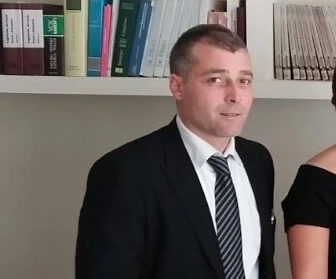
José Rico
Family Law · Valencia Bar no. 12075
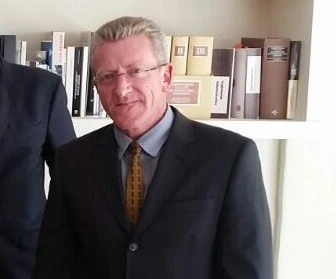
Mariano Ortuño
Valencia Bar no. 6041
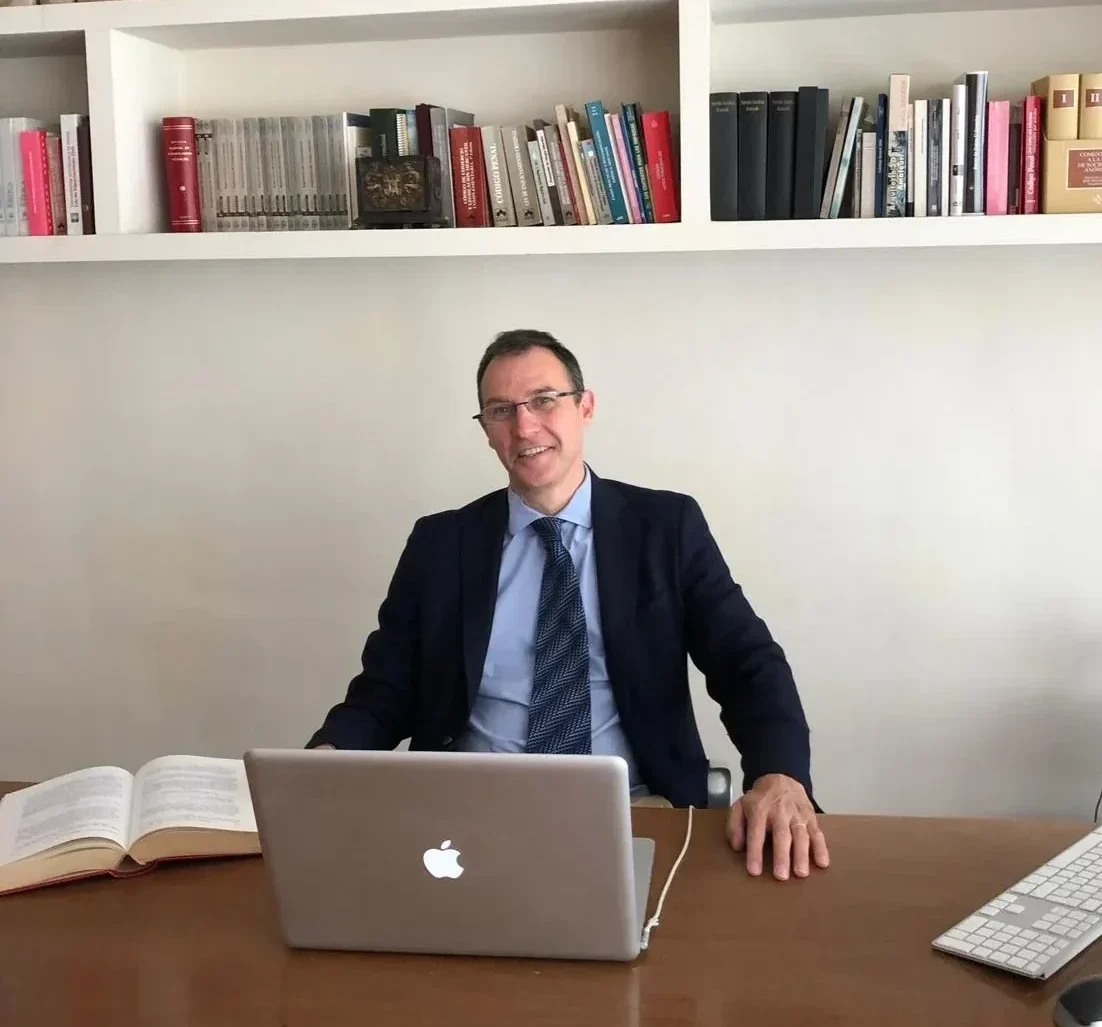
Manuel Lopez de Andujar
Property, Inheritance and Donations · Valencia Bar no. 7773
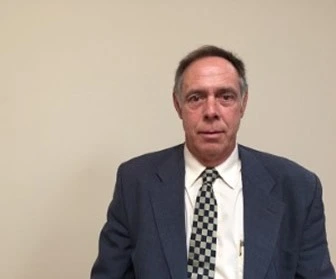
Juan Poch
Property, Inheritance and Donations · Alicante Bar no. 3607
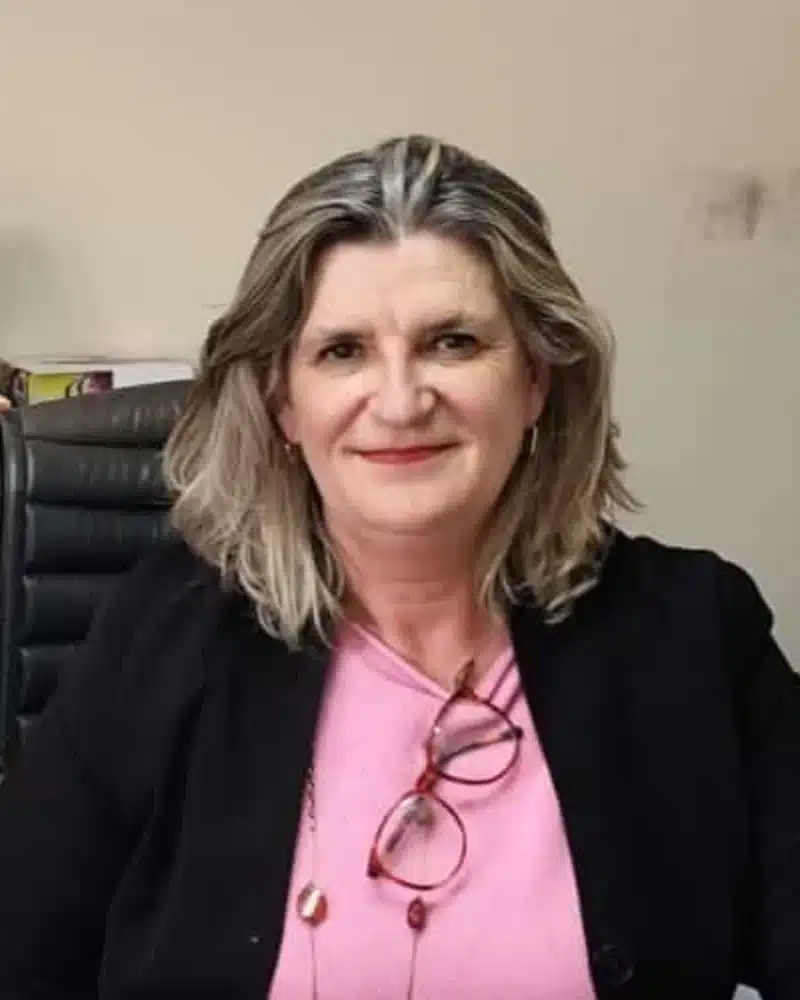
María Salvá
Property, Inheritance and Donations – Dénia · Alicante Bar no. 3699
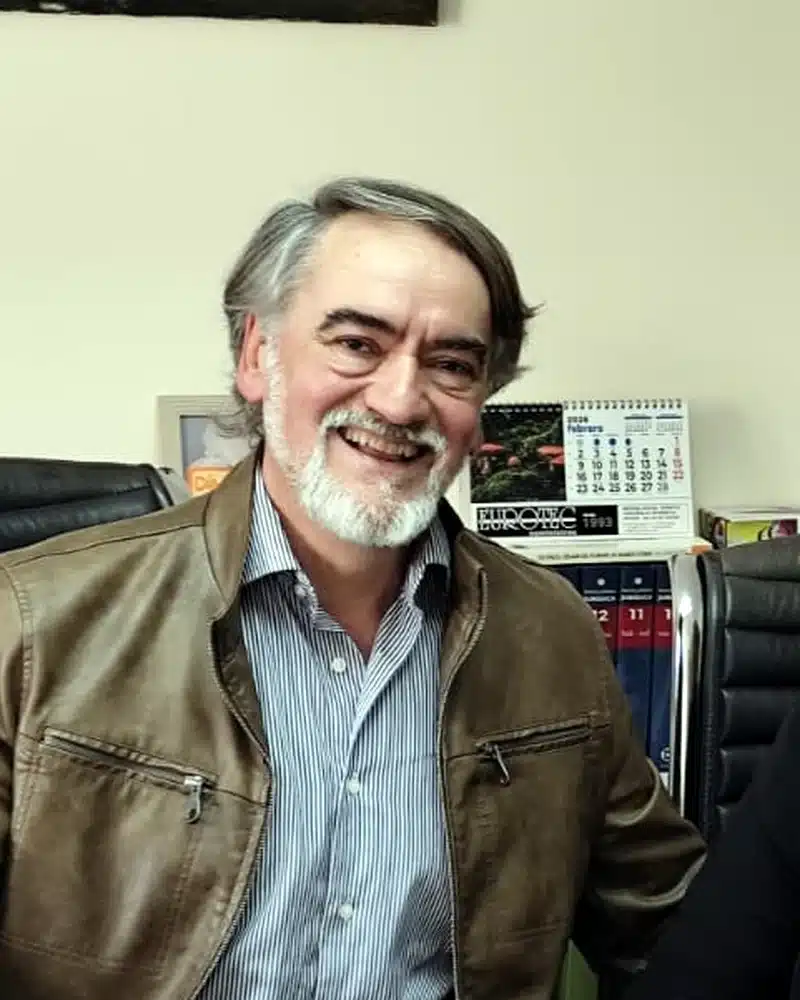
Antonio Rodríguez de Sola
Property, Inheritance and Donations – Dénia · Alicante Bar no. 3374
Buying inland? See buying a finca or country house on the Costa Blanca.
How we meetIn person in Jávea, or 100% remote
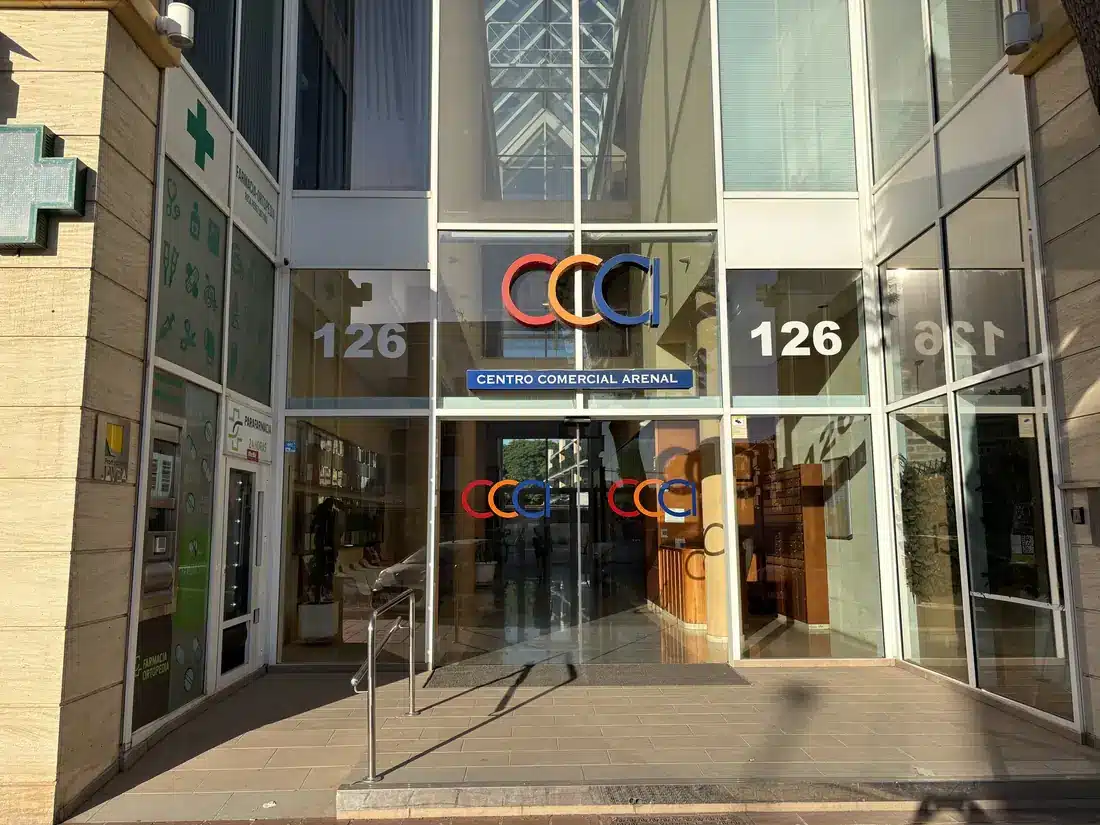
100% remote, from homeMost of our clients never need to travel. We work by email, phone, WhatsApp and video call, and you sign through a power of attorney. Only the NIE has to be applied for in person, in Spain or at a Spanish consulate.
How much do you charge?
Every purchase is different, so before any work starts we send you a written quote. You know our fee from the beginning, with no surprises at the end.
Next stepWhat happens when you contact us
- You send your enquiryThrough the form below, by phone, WhatsApp or email. A few lines are enough.
- A lawyer reads itNot an assistant: one of our lawyers reviews your situation and replies personally, the same day.
- We tell you the next stepWhat needs to be checked first, and which documents would help.
- We confirm scope and feeIn writing, before any work starts.
- You decideNothing is commissioned until you say yes.
This page is general information about Spanish law and does not constitute legal advice. Every property is different and you should take advice on your own circumstances before acting.
Independent property lawyers · Jávea
Thinking of buying a rural property?
Send us the listing or the address and a few lines about it. We reply the same day.
Talk to us about a fincaor call +34 607 320 768