
Independent inheritance lawyers · Jávea, Costa Blanca
Cross-Border Inheritance: Spain and Foreign Assets
30+Years of Experience
An estate with assets in Spain and abroad? We handle the Spanish side, by power of attorney, without you travelling.
Same-day reply, personally from a lawyer.
Scroll
0Established
0Years in practice
HundredsInheritances handled
0Google reviews
How can we help?
Choose what you need
When someone dies leaving assets in Spain and in other countries, each part of the estate is dealt with where it is. We handle the Spanish part: the property, the Spanish bank accounts and everything else located in Spain, from the first documents to the registration in the heirs’ names, by power of attorney if the family lives abroad.
The Spanish sideWhat we handle, and what we do not
- What we handleEverything located in Spain: the acceptance of the inheritance before a Spanish notary, Spanish inheritance tax, the transfer of Spanish bank accounts and the registration of the property in the heirs’ names.
- What we do notAssets in other countries, probate or succession proceedings abroad, and taxes outside Spain. For those, the family needs advisers in the country concerned. We are Spanish lawyers and we cover the Spanish side only.
Which law appliesOne succession, one law
Spain applies EU Regulation 650/2012 to every estate with an international element. As a general rule, a single law governs the whole succession, wherever the assets are: the law of the country where the deceased was habitually resident at the time of death, unless they chose the law of their nationality in their will. That law decides who inherits the Spanish property, even when the procedure itself takes place in Spain.
From abroadThe documents Spain needs
- Death certificateIf the death was abroad, the foreign certificate, apostilled and with a sworn translation.
- The willA Spanish will if there is one. Otherwise the foreign will and, where relevant, the grant of probate or the foreign document that establishes the heirs, apostilled and translated.
- European Certificate of SuccessionIf one has been issued in another EU country, Spanish notaries and registries accept it directly, with a translation where needed.
- Evidence of foreign lawWhen the succession is governed by a foreign law, the notary may ask for evidence of what that law says.
In SpainSpanish inheritance tax
Inheritance tax on the assets in Spain is filed in Spain within six months of the death; an extension can be requested within the first five months. Non-resident heirs can generally apply the regional rules of the Valencian Community. We put the figures in writing before anything is signed.
Without travellingYou do not have to come to Spain
Apart from the NIE, which has to be applied for in person, the whole Spanish side can be handled through a power of attorney, signed at a Spanish consulate in your country or before a notary where you live, then apostilled and translated. We draft the wording and send it to you ready to sign.
Questions
Do we have to finish the procedure abroad before starting in Spain?
Not always. With a Spanish will, the Spanish side can start straight away. If there is only a foreign will, the Spanish notary may need the foreign grant or equivalent document first, so it is worth asking for it early.
Do you deal with the assets in our country?
No. We handle only what is located in Spain. The assets in other countries are dealt with there, by advisers in that country.
What if the deceased had debts?
The inheritance can be accepted “a beneficio de inventario”, which limits the heirs’ liability to the value of what they inherit, or renounced. See our guide on how to accept or reject an inheritance in Spain.
How we work
We act from our office in Jávea and through our associated office in Dénia, across the north Costa Blanca: Jávea, Moraira, Teulada, Benitachell, Benissa, Dénia and Altea. See also our guide to Spanish inheritance law for expats, our guide to probate in Spain and our guide to inheriting property in Spain as a non-resident.
Tomas Ballestero Lawyers has been advising international clients on Spanish property and succession for more than 30 years. We work in English, Spanish and French.
Cannot travel to Spain?
With a power of attorney we complete every step on your behalf, from the first document to the registration of the property, remotely and safely.
Call +34 607 320 768The lawyers who will handle your inheritance
José Manuel Tomas
Property, Inheritance and Donations · Admitted to the Valencia Bar in 1992 (no. 6407) · Alicante Bar no. 9382
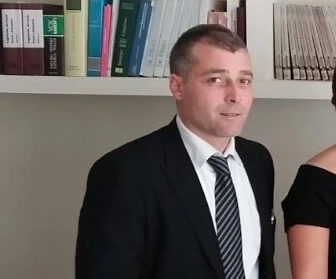
José Rico
Family Law · Valencia Bar no. 12075
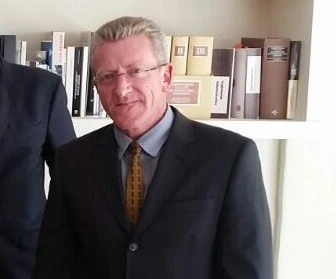
Mariano Ortuño
Valencia Bar no. 6041
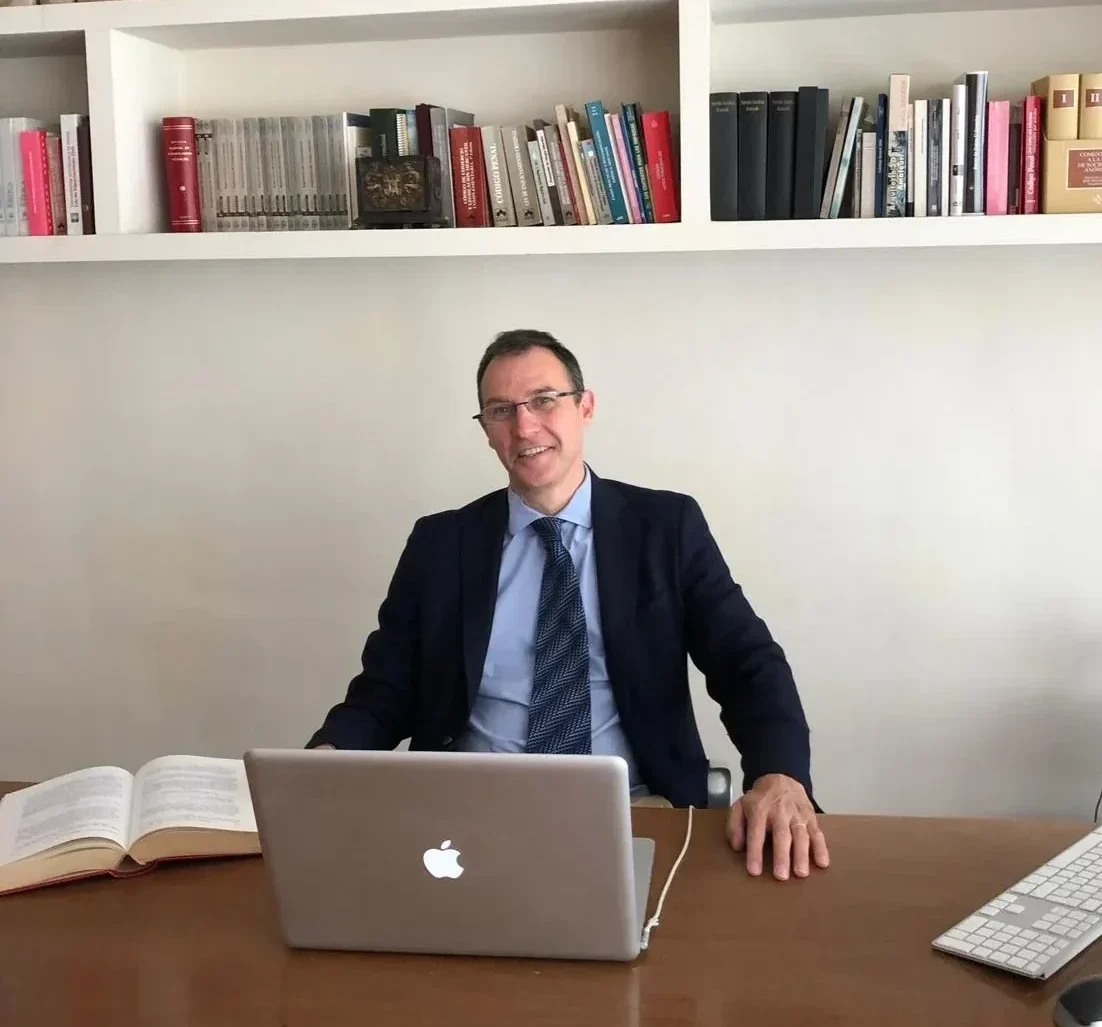
Manuel Lopez de Andujar
Property, Inheritance and Donations · Valencia Bar no. 7773
Juan Poch
Property, Inheritance and Donations · Alicante Bar no. 3607
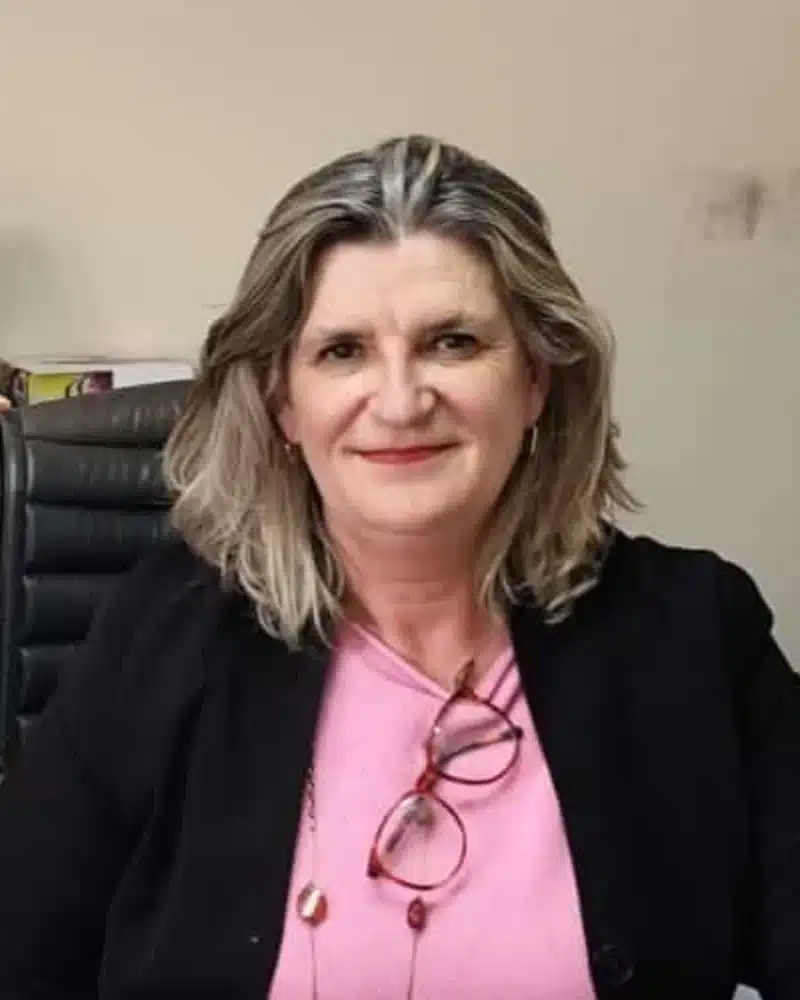
María Salvá
Property, Inheritance and Donations – Dénia · Alicante Bar no. 3699
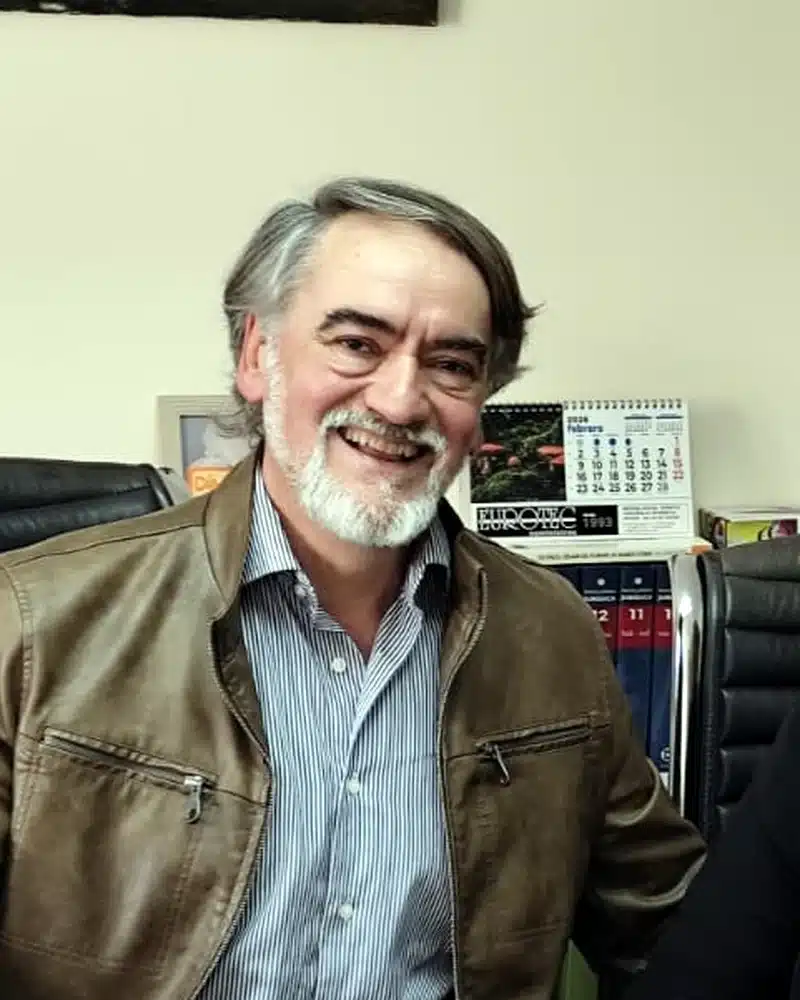
Antonio Rodríguez de Sola
Property, Inheritance and Donations – Dénia · Alicante Bar no. 3374
See buying out a co-owner or selling your share.
How we meetIn person in Jávea, or 100% remote
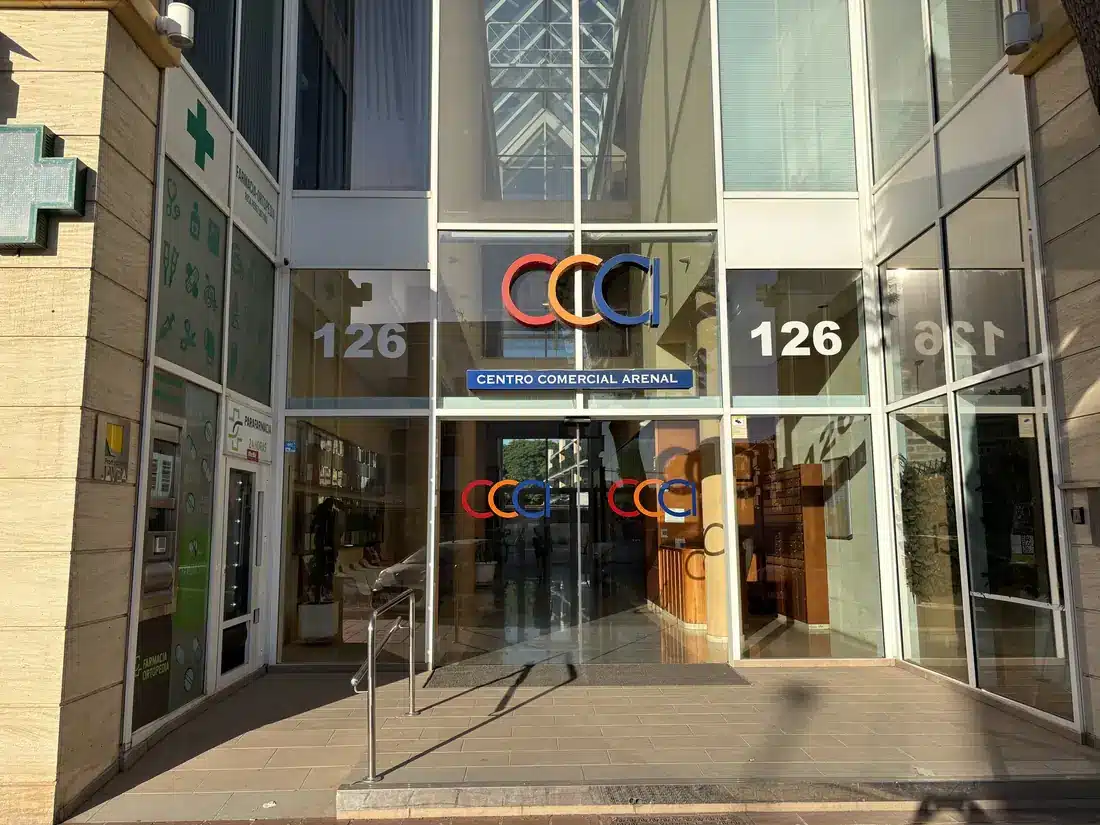
100% remote, from homeMost of our clients never need to travel. We work by email, phone, WhatsApp and video call, and you sign through a power of attorney. Only the NIE has to be applied for in person, in Spain or at a Spanish consulate.
How much do you charge?
Every inheritance is different, so before any work starts we send you a written quote. You know our fee from the beginning, with no surprises at the end.
Next stepWhat happens when you contact us
- You send your enquiryThrough the form below, by phone, WhatsApp or email. A few lines are enough.
- A lawyer reads itNot an assistant: one of our lawyers reviews your situation and replies personally, the same day.
- We tell you the next stepWhat needs to be checked first, and which documents would help.
- We confirm scope and feeIn writing, before any work starts.
- You decideNothing is commissioned until you say yes.
This page is general information about Spanish law and does not constitute legal advice. Every estate is different and you should take advice on your own circumstances before acting.
Independent inheritance lawyers · Jávea
An estate with property in Spain?
Send us a few lines about the family and the Spanish property. We reply the same day.
Talk to us about an inheritanceor call +34 607 320 768