

Spanish Will vs English Will: Which Do You Need as an Expat?
Why a separate Spanish will saves your heirs time, how the two wills fit together and which law applies, explained by independent lawyers in Jávea.
Choose what you need
Your English will remains valid in Spain. But relying on it alone makes the Spanish side slower and harder for your heirs. A separate Spanish will covering only your Spanish assets, drafted so that neither will revokes the other, is the simplest way to protect your family.
The questionIs an English will enough?
It is one of the questions expats with property in Spain ask us most often. Legally, an English will can cover Spanish assets. In practice, using it alone means your heirs have to wait for the English side to finish before the Spanish side can properly begin.
- Probate firstThe English will normally has to go through probate in England and Wales before it can be used in Spain.
- Then the paperworkThe grant has to be apostilled, translated by a sworn translator and presented to a Spanish notary.
- Meanwhile, nothing movesUntil then, the heirs cannot take over, sell or rent out the Spanish property.
- The tax clock runsSpanish inheritance tax is due within six months of the death. If English probate is still running, surcharges can follow.
A Spanish willWhat a separate Spanish will changes
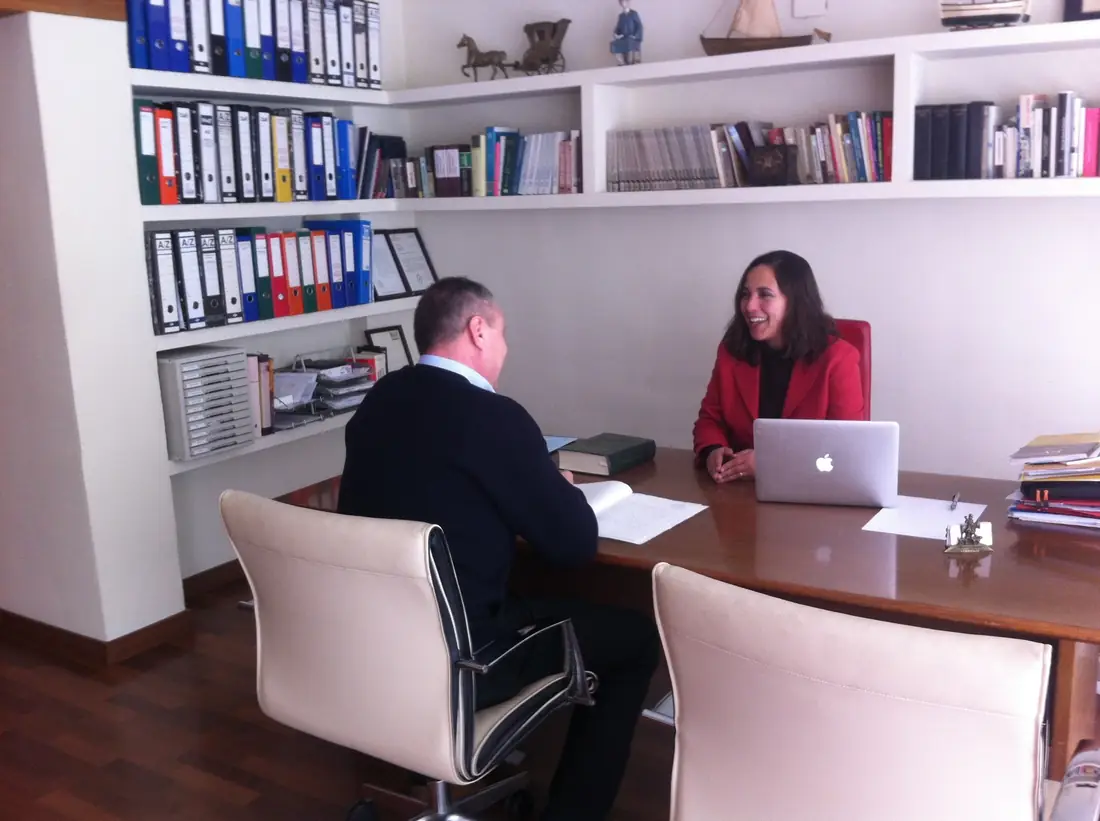
A Spanish will covering only your Spanish assets lets the inheritance start in Spain straight away, without waiting for English probate. Your heirs go to a Spanish notary with the death certificate and the Spanish will, and the acceptance of the inheritance runs in parallel with probate in England for your other assets.
The will is signed before a Spanish notary in a single appointment and is recorded in the Spanish Registry of Last Wills (Registro General de Actos de Última Voluntad) in Madrid, so it is easy to find when it is needed.
Two willsHow to structure your wills
The usual approach is two wills: a Spanish will for your Spanish assets, and an English will for everything else. Each must say clearly that it deals only with its own assets and that it does not revoke the other. A common and costly mistake is a new English will that accidentally revokes the Spanish one, or the other way round. The two have to be coordinated, and we work alongside your solicitor in England where needed.
Which law appliesSpanish forced heirship and your choice of law
Spanish law reserves part of an estate for children and a surviving spouse (the “legítima”). Since EU Regulation 650/2012 came into force in 2015, a foreign national can choose in a Spanish will the law of their nationality to govern their succession. For a British national that means English law, with its much wider freedom to leave assets as you wish. The choice has to be stated expressly in the will.
No willWhat happens without a will
If there is no will at all, the rules on intestacy decide who inherits, and they may not reflect your wishes: Spanish intestacy, for example, favours children and then parents ahead of a spouse, and gives nothing to an unmarried partner. This matters especially in second marriages, with stepchildren or with a partner you are not married to.
Keeping it currentReviewing your will
Review your Spanish will whenever something important changes: buying or selling property, marriage or divorce, children or grandchildren, or a change in the law. A will that no longer matches your life can cause the very problems it was meant to avoid.
Questions
Do I need a Spanish will if I own property in Spain?
It is strongly recommended. Without one, your heirs have to have your foreign will and grant apostilled, translated and accepted in Spain, which takes time.
How does inheritance work in Spain for foreign heirs?
Assets in Spain are dealt with in Spain, wherever the heirs live. It involves the death certificate, the will, a NIE for each heir, Spanish inheritance tax and the deed of inheritance before a Spanish notary. It can all be done by power of attorney.
What about Spanish inheritance tax for heirs abroad?
It depends on the region and on the relationship to the deceased. In the Valencian Community there are substantial allowances for close family, and non-resident heirs can generally apply the regional rules. The figures have to be worked out case by case, and we put them in writing before anything is signed.
Can an inheritance be renounced in Spain?
Yes, before a Spanish notary. That can make sense when the debts exceed the assets. It can also be accepted “a beneficio de inventario”, which limits the heirs’ liability to the value of what they inherit.
How we work
We act from our office in Jávea and through our associated office in Dénia, across the north Costa Blanca: Jávea, Moraira, Teulada, Benitachell, Benissa and Dénia. We are Spanish lawyers and we cover the Spanish side. For the full picture, see our Spanish inheritance and wills services; if you are thinking of passing the property on during your lifetime, see our guide to gifting property in Spain to your children or family.
Tomas Ballestero Lawyers has been advising international clients on Spanish property and succession for more than 30 years. We work in English, Spanish and French.
With a power of attorney we complete every step on your behalf, from the first document to the registration of the property, remotely and safely.
Call +34 607 320 768The lawyers who will handle your inheritance
Conveyancing, Inheritance and Donations · Admitted to the Valencia Bar in 1992 (no. 6407) · Alicante Bar no. 9382
Family Law · Valencia Bar no. 12075
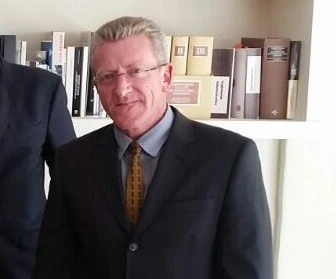
Valencia Bar no. 6041

Conveyancing, Inheritance and Donations · Valencia Bar no. 7773
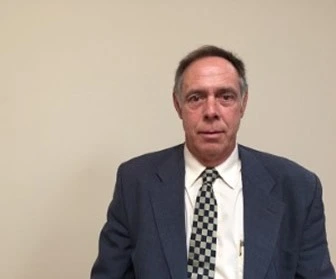
Conveyancing, Inheritance and Donations · Alicante Bar no. 3607

Legal Assistant

Conveyancing, Inheritance and Donations – Dénia · Alicante Bar no. 3699

Conveyancing, Inheritance and Donations – Dénia · Alicante Bar no. 3374
Co-owners after the inheritance? See buying out a co-owner or selling your share.
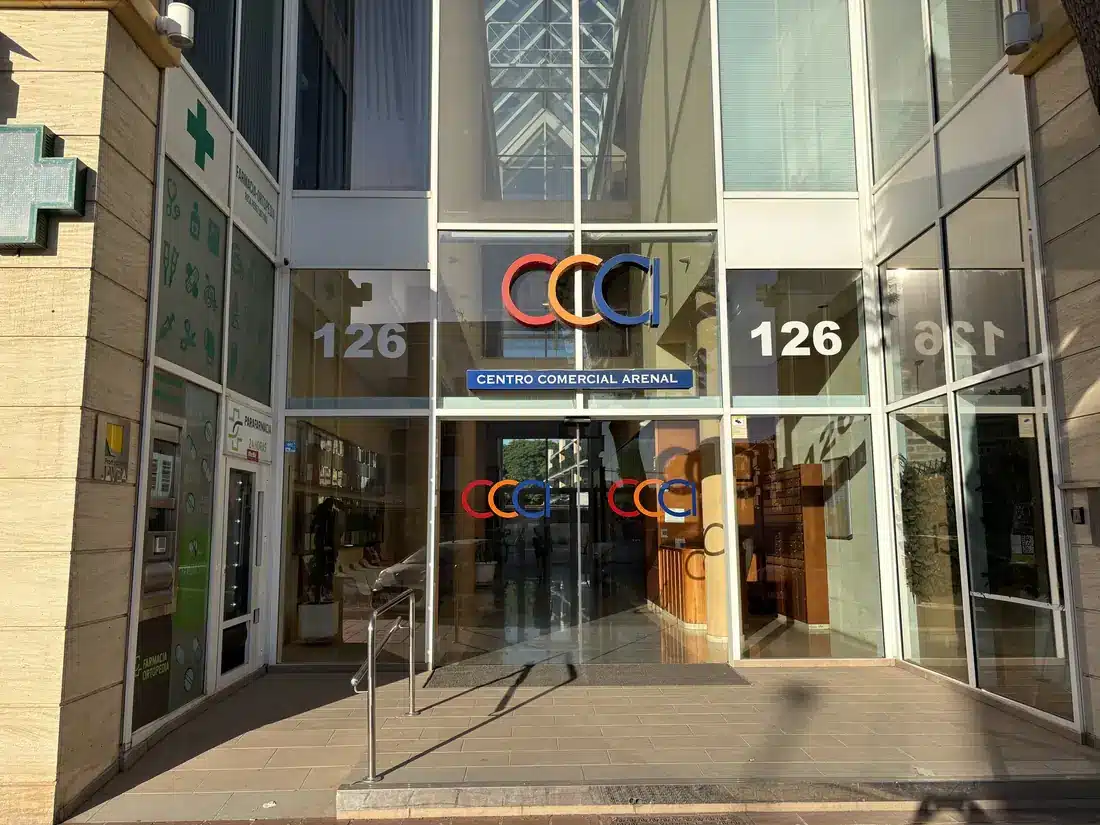
How we meetIn person in Jávea, or 100% remote
How much do you charge?
Every inheritance is different, so before any work starts we send you a written quote. You know our fee from the beginning, with no surprises at the end.
Next stepWhat happens when you contact us
- You send your enquiryThrough the form below, by phone, WhatsApp or email. A few lines are enough.
- A lawyer reads itNot an assistant: one of our lawyers reviews your situation and replies personally, the same day.
- We tell you the next stepWhat needs to be checked first, and which documents would help.
- We confirm scope and feeIn writing, before any work starts.
- You decideNothing is commissioned until you say yes.
This page is general information about Spanish law and does not constitute legal advice. Every estate is different and you should take advice on your own circumstances before acting.
Own property in Spain?
Send us a few lines about your situation and your existing will. We reply the same day.
Talk to us about a Spanish willor call +34 607 320 768