
Independent lawyers · Jávea, Costa Blanca
British Divorce in Spain After Brexit
30+Years of Experience
Which courts can hear the divorce, which law applies, how a UK divorce takes effect in Spain, and what happens to the house on the Costa Blanca.
Same-day reply, personally from a lawyer.
Scroll
0Established
0Years in practice
HundredsFamily and property matters
0Google reviews
How can we help?
Choose what you need
Since Brexit, a divorce between British nationals living in Spain, or with property in Spain, raises new questions: which country’s courts can hear it, which law applies, and how a divorce granted in the United Kingdom takes effect in Spain. Tomas Ballestero Lawyers handles divorces by mutual agreement for British couples, from our office in Jávea and our associated office in Dénia, on the Costa Blanca.
JurisdictionCan British nationals divorce in Spain?
Yes. The Spanish courts apply the EU Regulation 2019/1111 (Brussels IIb) whatever the nationality of the spouses. Spain can hear the divorce if, among other grounds:
- both spouses are habitually resident in Spain;
- Spain was their last habitual residence and one of them still lives here;
- the spouses apply jointly and one of them is habitually resident in Spain.
We check this first, before any other step.
Which lawWhich law applies to the divorce?
Spain applies the Rome III Regulation (1259/2010), which also allows the spouses to choose the law that will govern their divorce, within a limited list. Which law governs the property of the marriage is a separate question, and we look at both at the start.
Questions about English or Scottish law, UK pensions or assets in the United Kingdom are for an adviser there. We deal with the Spanish side and coordinate with them where needed.
After BrexitA divorce granted in the United Kingdom
If the divorce has already been granted in the United Kingdom, it has to be recognised in Spain before it takes effect here, for example to update the Civil Registry or to change the ownership of a property at the Land Registry. We handle that recognition and the Spanish steps that follow it.
PropertyThe house in Spain
- SellingThe property is sold and the proceeds are divided as agreed.
- One spouse keeps itThe other spouse’s share is transferred by a deed before a Spanish notary and registered at the Land Registry.
- Keeping it togetherPossible, but the agreement should then set out who pays the running costs and what happens if one of you wants to sell later.
The Spanish tax consequences depend on how the property is owned and how it is transferred. We check them before anything is signed.
Frequently asked questions
Do we have to agree?
Yes. Our family practice is limited to divorces by mutual agreement. If there is no agreement yet, tell us the situation and we will tell you honestly whether one looks possible.
Can we divorce before a notary?
Yes, when both spouses agree and there are no minor children. With minor children, the agreed divorce is approved by the court.
Can each of us have our own lawyer?
Yes. Each spouse can be represented by their own lawyer.
How we work
From our office in Jávea and the associated office in Dénia we work across the northern Costa Blanca: Jávea, Dénia, Moraira, Teulada, Benitachell, Benissa, Calpe and Altea. See also divorce in Spain by mutual agreement.
Tomas Ballestero Lawyers has advised international clients for more than 30 years.
Living abroad?
Much of the work can be done remotely, by email, phone and video call. Where the law requires each of you to confirm the agreement personally, we explain from the start how and where it can be done.
Call +34 607 320 768The lawyers who will handle your divorce
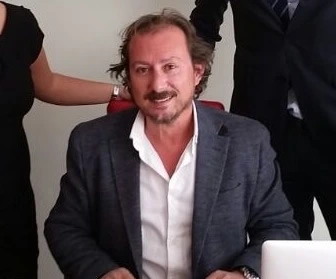
José Manuel Tomas
Property, Inheritance and Donations · Admitted to the Valencia Bar in 1992 (no. 6407) · Alicante Bar no. 9382
José Rico
Family Law · Valencia Bar no. 12075
Mariano Ortuño
Valencia Bar no. 6041

Manuel Lopez de Andujar
Property, Inheritance and Donations · Valencia Bar no. 7773
Juan Poch
Property, Inheritance and Donations · Alicante Bar no. 3607
María Salvá
Property, Inheritance and Donations – Dénia · Alicante Bar no. 3699
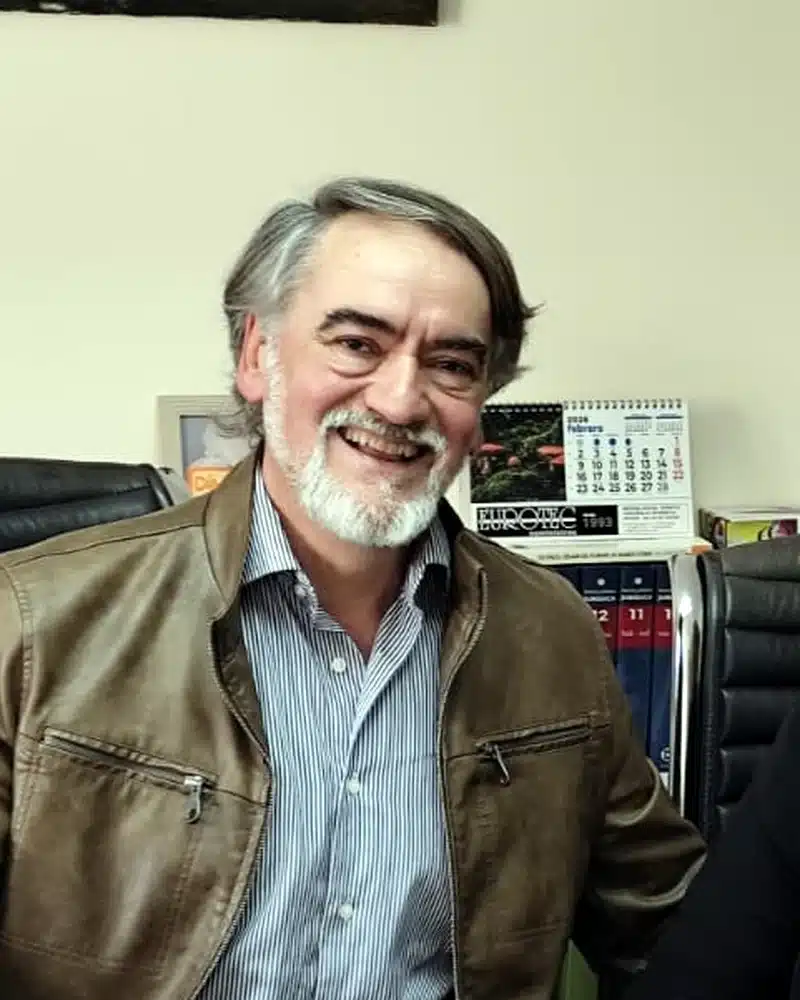
Antonio Rodríguez de Sola
Property, Inheritance and Donations – Dénia · Alicante Bar no. 3374
Selling the family home? See selling a property in Spain as a non-resident.
How we meetIn person in Jávea, or remotely
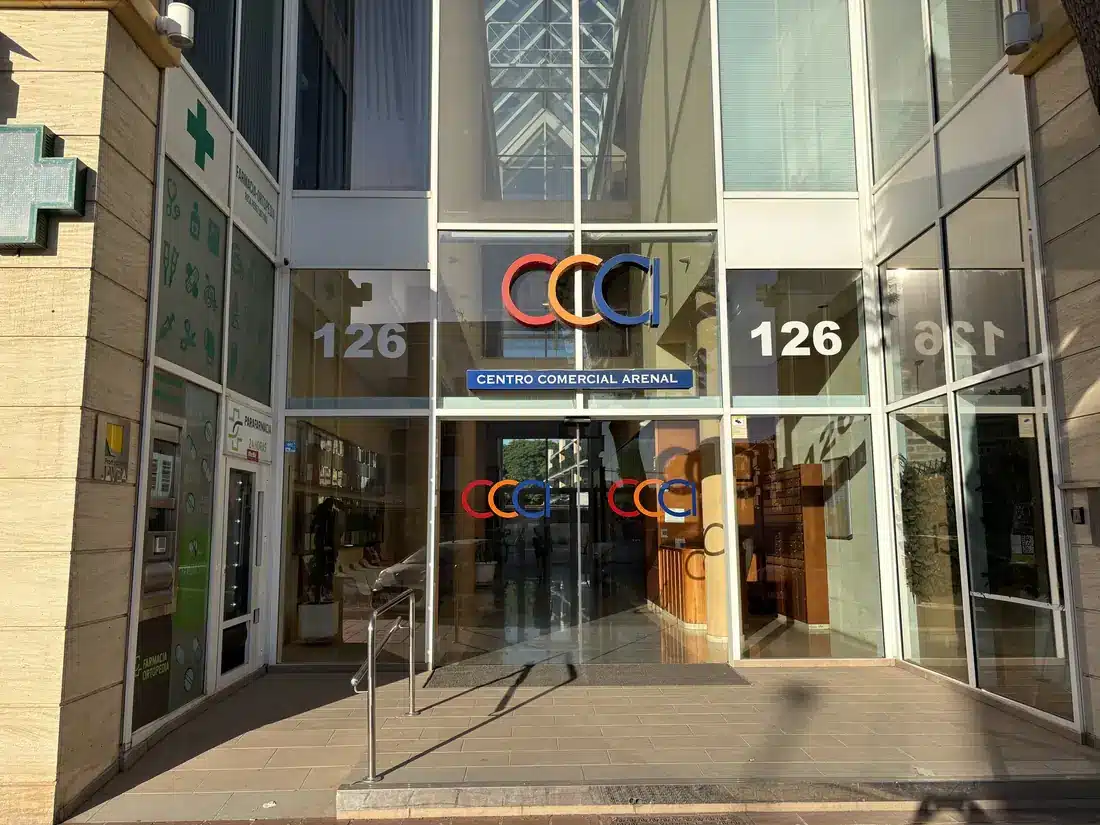
Remotely, from homeMost of the preparation is done by email, phone, WhatsApp and video call. Where Spanish law requires you to confirm the agreement personally, we tell you from the start how and where it can be done in your case.
How much do you charge?
Every case is different, so before any work starts we send you a written quote. You know our fee from the beginning, with no surprises at the end.
Next stepWhat happens when you contact us
- You send your enquiryThrough the form below, by phone, WhatsApp or email. A few lines are enough.
- A lawyer reads itNot an assistant: one of our lawyers reviews your situation and replies personally, the same day.
- We tell you the next stepWhat needs to be checked first, and which documents would help.
- We confirm scope and feeIn writing, before any work starts.
- You decideNothing is commissioned until you say yes.
This page is general information about Spanish law and does not constitute legal advice. Every case is different and you should take advice on your own circumstances before acting.
Independent lawyers · Jávea
Divorcing in Spain by mutual agreement?
Tell us in a few lines what it is about. We reply the same day.
Tell us about your situationor call +34 607 320 768Voir aussi
