

Independent inheritance lawyers · Jávea, Costa Blanca
How to Accept or Reject an Inheritance in Spain
30+Years of Experience
Accept outright, accept with benefit of inventory or renounce: what each option means, and the actions that count as accepting without you realising.
Same-day reply, personally from a lawyer.
Scroll
0Established
0Years in practice
HundredsInheritances handled
0Google reviews
How can we help?
Choose what you need
In Spain an inheritance is not automatic. Each heir has to decide whether to accept it or renounce it, and the way you accept decides whether the deceased’s debts can reach your own money. Some everyday actions also count as accepting without you realising. This is what every heir should know before doing anything.
Your optionsThree ways to respond to an inheritance
- 1. Accept outrightAceptación pura y simple. You inherit the assets and the debts. If the debts are larger than the estate, you answer for the difference with your own assets. It is the usual choice when the estate is clear.
- 2. Accept with benefit of inventoryAceptación a beneficio de inventario. A notarial inventory of assets and debts is made and the creditors are notified. The debts are paid out of the estate, and your liability is limited to what you inherit: if nothing is left, you receive nothing, but you owe nothing either.
- 3. RenounceRenuncia. Made before a notary. You receive nothing and you take on none of the debts. It is irrevocable and covers the whole inheritance.
The inheritance has to be accepted or renounced as a whole: you cannot keep the property and leave the debts. Each heir decides independently, so one can accept while another renounces.
Be carefulThe implied acceptance trap
Under Spanish law you can accept an inheritance without signing anything. Acts that only an heir would do count as acceptance, and once accepted outright you can no longer renounce or limit your liability. Before doing any of these, take advice:
- selling, giving away or otherwise disposing of assets of the estate;
- using the money in the deceased’s accounts as your own;
- transferring your rights in the inheritance to someone else;
- “renouncing” in favour of a particular person, such as a brother or sister: in law that is an acceptance followed by a transfer, not a renunciation.
Acts that only preserve the estate, such as keeping the property secure and maintained or arranging the funeral, do not in themselves count as acceptance.
Benefit of inventoryHow the safe option works
The heir declares before a Spanish notary that they accept with benefit of inventory, and the notary draws up the inventory and notifies the creditors and legatees. If you already hold any of the estate’s assets, the request has to be made within thirty days of learning that you are an heir; otherwise it remains available as long as you have not accepted outright. It is the sensible route whenever there is any doubt about debts, guarantees or unpaid taxes.
RenouncingBefore you renounce
- It cannot be undoneA renunciation is final. Make sure you know what the estate contains before signing it.
- Your share does not automatically pass to your childrenWhere it goes depends on the will and on the law: a substitute named in the will, the other heirs, or the next in line. It has to be checked case by case.
- Your own creditorsIf you have debts of your own, your creditors may be able to claim against the share you renounce, up to what you owe them.
DeadlinesIs there a deadline to decide?
There is no general deadline to accept or renounce. Two dates matter, however. Inheritance tax has to be filed within six months of the death. And anyone with a legitimate interest, such as another heir or a creditor, can ask a notary to give you thirty calendar days to decide. If you do not answer within that time, the law treats the inheritance as accepted outright, with its debts. If you receive a notice of this kind, act on it straight away.
From abroadYou do not have to come to Spain
A renunciation or an acceptance can be signed at a Spanish consulate in your country, or through a power of attorney that expressly includes the power to accept or renounce, signed before a notary where you live, apostilled and translated. We draft the wording and send it to you ready to sign. An heir who accepts and receives assets in Spain needs a NIE, which is applied for in person and cannot be obtained by power of attorney.
Questions
Can I accept part of an inheritance and reject the rest?
No. The inheritance is accepted or renounced as a whole. If you are worried about debts, accepting with benefit of inventory protects your own assets while keeping whatever is left once the debts are paid.
What happens if I do nothing?
The inheritance stays pending. But any act that only an heir would do can count as acceptance, and another heir or a creditor can use the notarial procedure to make you decide within thirty days. Doing nothing is rarely the safest course.
Do all the heirs have to make the same decision?
No. Each heir decides for themselves. One can accept outright, another with benefit of inventory, and another can renounce.
If I renounce, do I pay inheritance tax?
An heir who renounces outright receives nothing and, in principle, pays no inheritance tax on that inheritance. A renunciation in favour of a particular person is treated differently, which is one more reason to take advice before signing.
How we work
We act from our office in Jávea and through our associated office in Dénia, across the north Costa Blanca. Town by town: inheritance lawyers in Jávea, Dénia, Moraira, Benitachell, Teulada, Benissa and Altea. For the whole process, see our guide to probate in Spain and, for heirs abroad, our step-by-step guide to inheriting property in Spain as a non-resident.
Tomas Ballestero Lawyers has been advising international clients on Spanish property and succession for more than 30 years. We work in English, Spanish and French.
Cannot travel to Spain?
With a power of attorney we complete every step on your behalf, from the first document to the registration of the property, remotely and safely.
Call +34 607 320 768The lawyers who will handle your inheritance
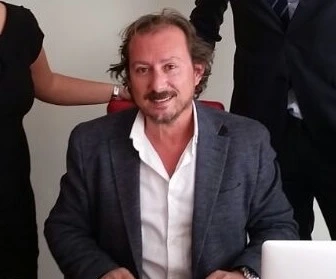
José Manuel Tomas
Property, Inheritance and Donations · Admitted to the Valencia Bar in 1992 (no. 6407) · Alicante Bar no. 9382
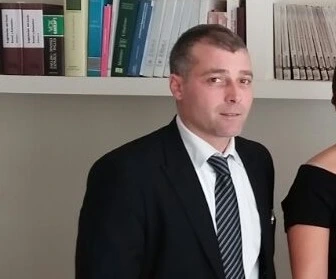
José Rico
Family Law · Valencia Bar no. 12075
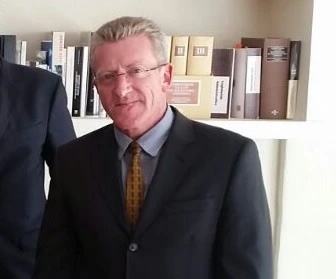
Mariano Ortuño
Valencia Bar no. 6041

Manuel Lopez de Andujar
Property, Inheritance and Donations · Valencia Bar no. 7773
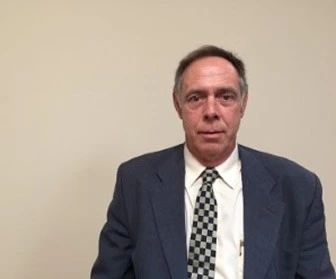
Juan Poch
Property, Inheritance and Donations · Alicante Bar no. 3607

María Salvá
Property, Inheritance and Donations – Dénia · Alicante Bar no. 3699
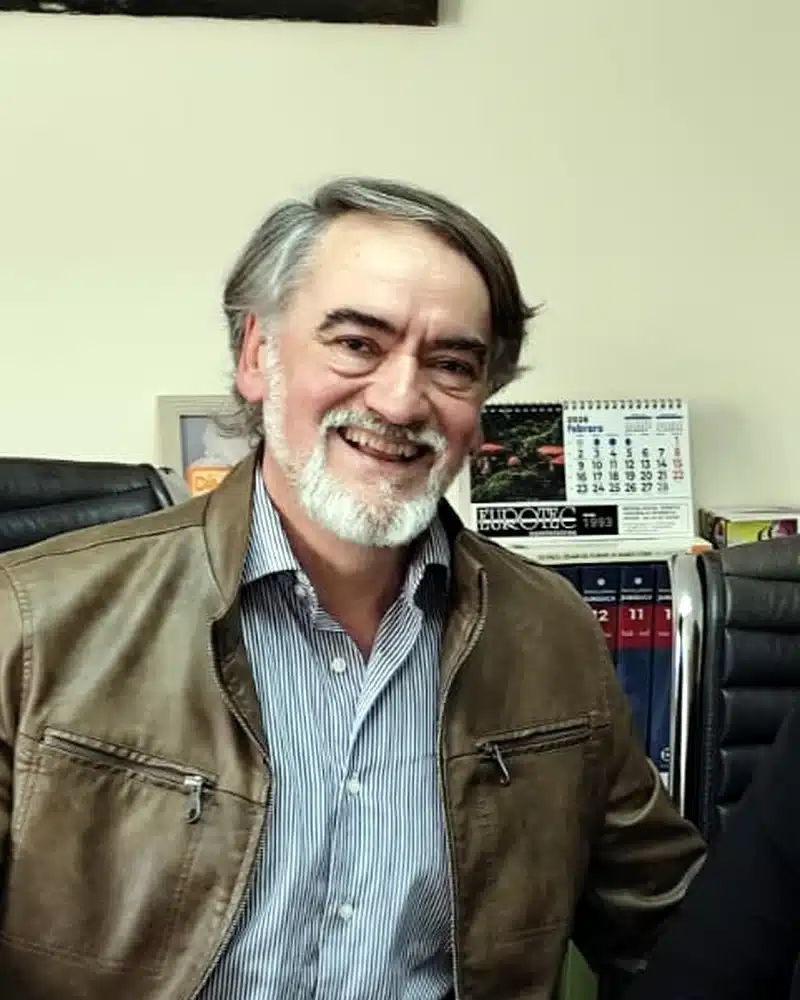
Antonio Rodríguez de Sola
Property, Inheritance and Donations – Dénia · Alicante Bar no. 3374
See buying out a co-owner or selling your share.
How we meetIn person in Jávea, or 100% remote
100% remote, from homeMost of our clients never need to travel. We work by email, phone, WhatsApp and video call, and you sign through a power of attorney. Only the NIE has to be applied for in person, in Spain or at a Spanish consulate.
How much do you charge?
Every inheritance is different, so before any work starts we send you a written quote. You know our fee from the beginning, with no surprises at the end.
Next stepWhat happens when you contact us
- You send your enquiryThrough the form below, by phone, WhatsApp or email. A few lines are enough.
- A lawyer reads itNot an assistant: one of our lawyers reviews your situation and replies personally, the same day.
- We tell you the next stepWhat needs to be checked first, and which documents would help.
- We confirm scope and feeIn writing, before any work starts.
- You decideNothing is commissioned until you say yes.
This page is general information about Spanish law and does not constitute legal advice. Every estate is different and you should take advice on your own circumstances before acting.
Independent inheritance lawyers · Jávea
Not sure whether to accept an inheritance?
Tell us what you know about the estate and any debts. We reply the same day.
Talk to us about an inheritanceor call +34 607 320 768