
Independent inheritance lawyers · Jávea, Costa Blanca
Died Without a Will in Spain? A Guide for Foreign Heirs
30+Years of Experience
Which law applies, how the heirs are proved, the tax deadline and the deed that puts the property in your names, explained by independent lawyers in Jávea.
Same-day reply, personally from a lawyer.
Scroll
0Established
0Years in practice
HundredsInheritances handled
0Google reviews
How can we help?
Choose what you need
Someone has died owning property in Spain and there is no will, or there is a will at home but nothing signed in Spain. It is one of the most common situations we are asked about, and it is also one of the most misunderstood. The estate is not lost and it is not frozen for ever, but there are steps that have to be taken in a particular order, and one deadline that does not wait.
Which law appliesFirst question: which country’s law applies?
This is the question that decides everything else, and it is not answered by the deceased’s nationality.
Since August 2015, succession across most of Europe is governed by EU Regulation 650/2012. The general rule is that the law applied to the whole estate is the law of the country where the deceased was habitually resident when they died, not the country of their passport. A person can choose the law of their nationality instead, but that choice has to be made in a will. Where there is no will, there is no choice, so habitual residence decides.
In practice that produces two very different cases.
- The deceased lived in SpainSpanish succession law applies to the estate, including to the Spanish property. Spanish law sets out who inherits and in what shares, and a large part of the estate is reserved by law for certain close relatives. This often surprises families who assumed the rules of their home country would follow them.
- The deceased lived abroad and only owned a holiday home or investment property hereThen the law of that country governs the succession, and the Spanish side has to be built on the foreign documents: a grant of representation, a certificate of law, or the equivalent in that jurisdiction. Where the foreign rules themselves refer land back to the country where it sits, the position can become genuinely technical, and it needs looking at case by case before anything is signed.
We should be plain about one thing: we are Spanish lawyers and we cover the Spanish side. Where there is a foreign estate running in parallel, the lawyers or solicitors in that country handle their part and we work alongside them. We do this regularly and it is not a problem, but we will not tell you we are advising you on English, Irish, Dutch or Belgian law, because we are not.
The heirsSecond step: proving who the heirs are
With a will, the will names them. Without one, they have to be established formally. Under Spanish law that is done through a declaration of heirs before a Spanish notary, a document in which the family relationship is proved and the notary declares who inherits. It needs the death certificate, the certificate from the Spanish Registry of Last Wills confirming that no Spanish will exists, birth and marriage certificates, and witnesses.
Where the applicable law is foreign, the route is different: the foreign document establishing entitlement has to be obtained first and then made usable in Spain, which usually means legalisation or apostille and an official translation.
Either way, this stage is slower than people expect, because it depends on documents issued by registries in several countries. It is the part worth starting early.
TaxThe deadline nobody mentions
Spanish inheritance tax is due within six months of the date of death. An extension of a further six months can be requested, but only if it is applied for within the first five months. Miss both and surcharges and interest begin to run.
That clock starts on the date of death, not on the date the family gets organised, and not on the date a foreign probate finishes. It is the single most common reason an inheritance that was manageable becomes expensive. If the death was more than a few months ago, this is the first thing to look at. We set out the usual timescales in our guide to how long probate in Spain takes.
The deedThen: accepting the inheritance and putting the property in the heirs’ names
Once the heirs are established and the tax position is clear, the inheritance is accepted and divided in a deed before a Spanish notary, the tax is paid, and the property is registered in the heirs’ names at the Land Registry. Until that is done the property cannot be sold, mortgaged or transferred.
An inheritance can also be renounced, and sometimes that is the right decision, because debts in Spain pass with the estate. That is a decision to take with advice, before signing anything: see accepting or renouncing an inheritance in Spain.
From abroadYou do not have to come to Spain
Almost everything above can be handled by power of attorney. Heirs living abroad can sign a power before a notary in their own country, or at a Spanish consulate, and we deal with the notary, the tax office and the Land Registry here on their behalf. Most of the estates we handle for families abroad are completed without the heirs travelling at all.
How we work
We act from our office in Jávea and through our associated office in Dénia, across the north Costa Blanca: Jávea, Dénia, Moraira, Benitachell, Benissa, Altea and the surrounding area, and on Spanish estates elsewhere in the country. Where the estate also involves assets outside Spain, see our note on cross-border inheritance and foreign assets.
Tomas Ballestero Lawyers has been advising international clients on Spanish property and succession for more than 30 years. We work in English, Spanish and French, and we have lawyers in the firm who attend clients in French.
If a relative has died owning property in Spain and there is no Spanish will, send us the date of death and a short description of the family situation. We will tell you which route applies to your case and what the position is on the tax deadline.
Cannot travel to Spain?
With a power of attorney we complete every step on your behalf, from the first document to the registration of the property, remotely and safely.
Call +34 607 320 768The lawyers who will handle your inheritance
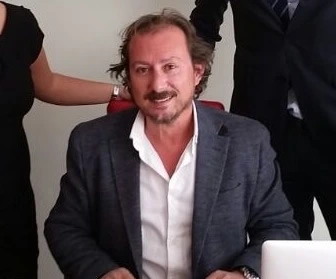
José Manuel Tomas
Conveyancing, Inheritance and Donations · Admitted to the Valencia Bar in 1992 (no. 6407) · Alicante Bar no. 9382
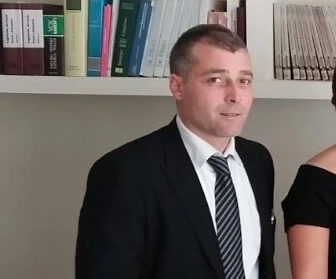
José Rico
Family Law · Valencia Bar no. 12075
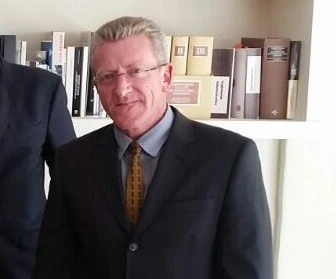
Mariano Ortuño
Valencia Bar no. 6041
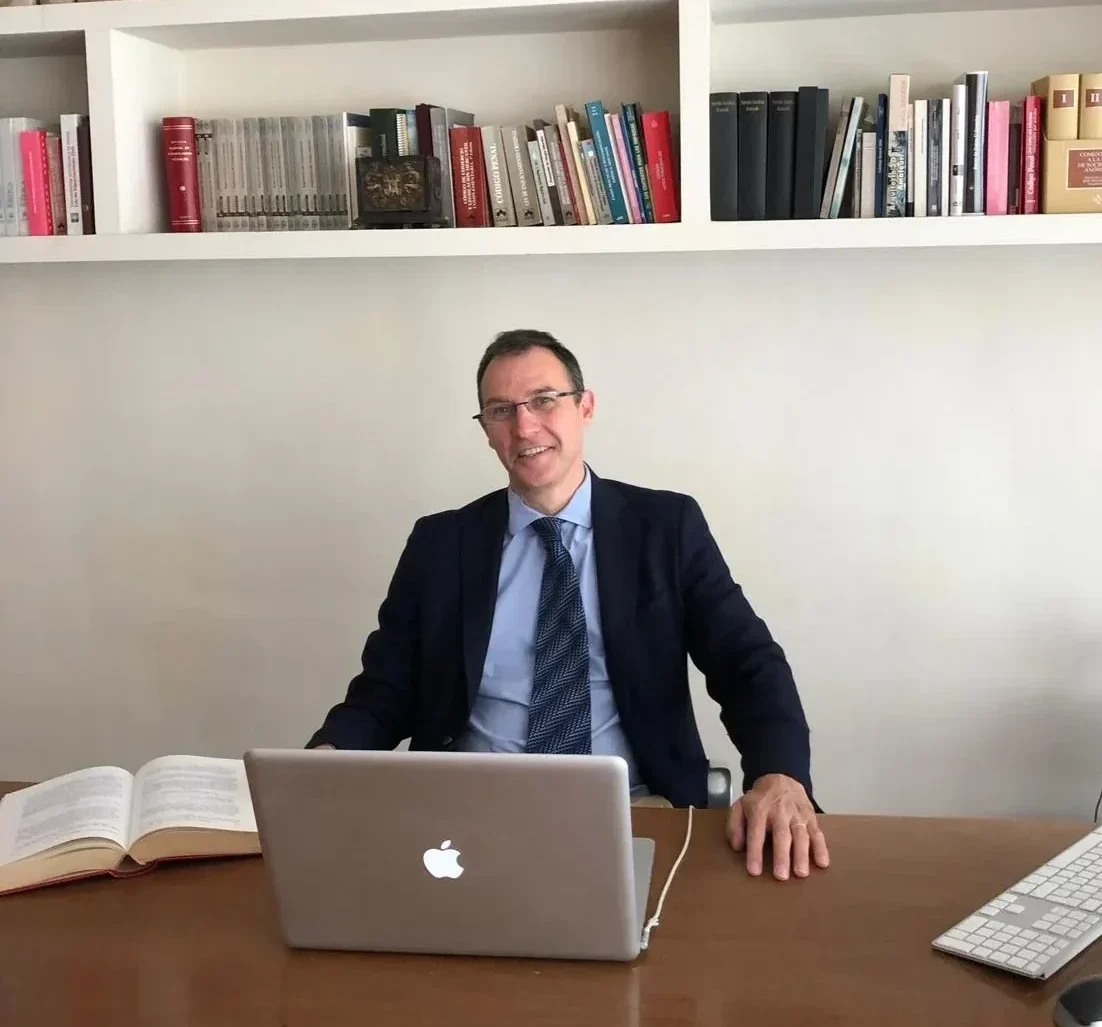
Manuel Lopez de Andujar
Conveyancing, Inheritance and Donations · Valencia Bar no. 7773
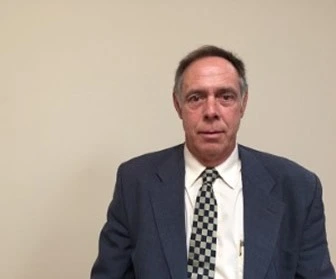
Juan Poch
Conveyancing, Inheritance and Donations · Alicante Bar no. 3607
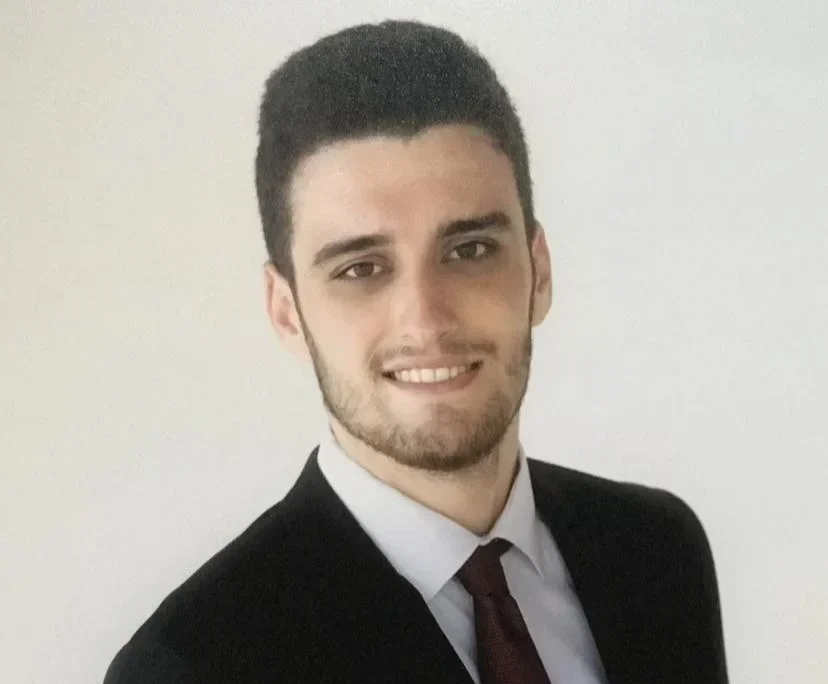
Rubén Bolufer Martínez
Legal Assistant
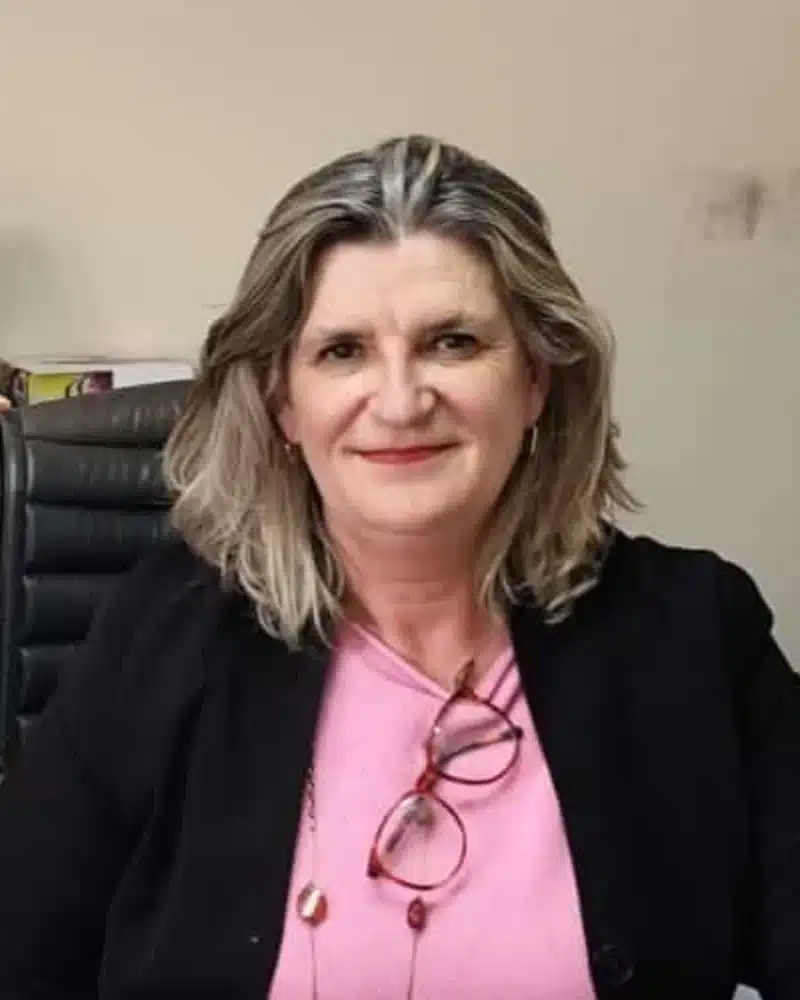
María Salvá
Conveyancing, Inheritance and Donations – Dénia · Alicante Bar no. 3699
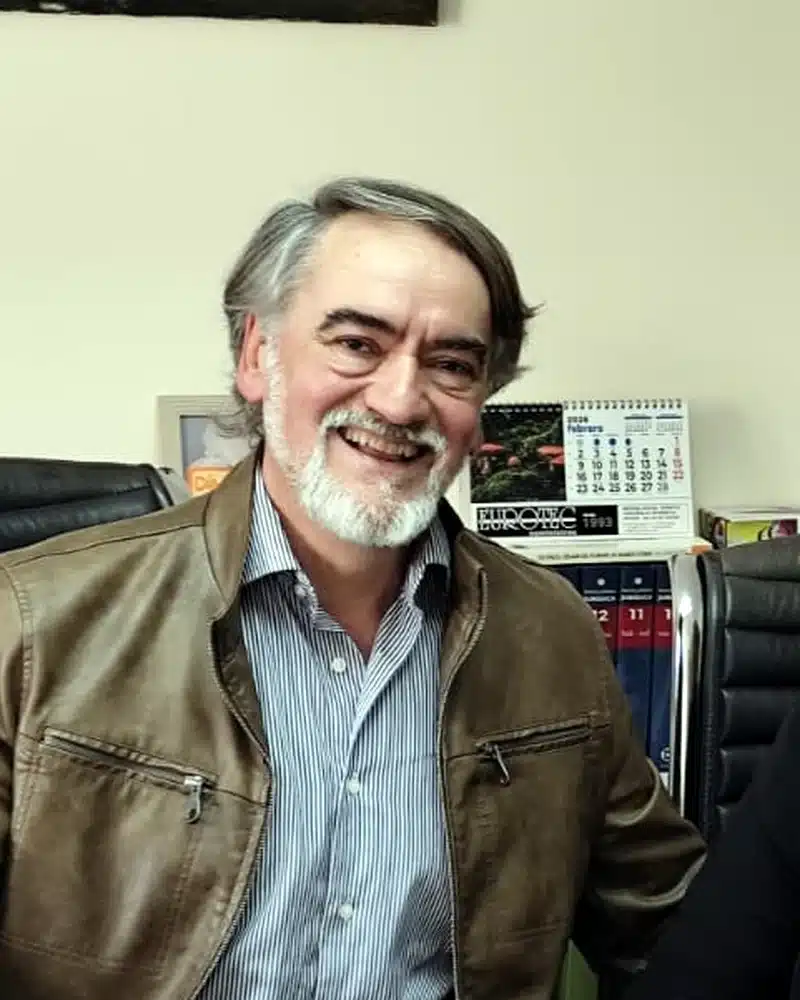
Antonio Rodríguez de Sola
Conveyancing, Inheritance and Donations – Dénia · Alicante Bar no. 3374
Co-owners after the inheritance? See buying out a co-owner or selling your share.
How we meetIn person in Jávea, or 100% remote
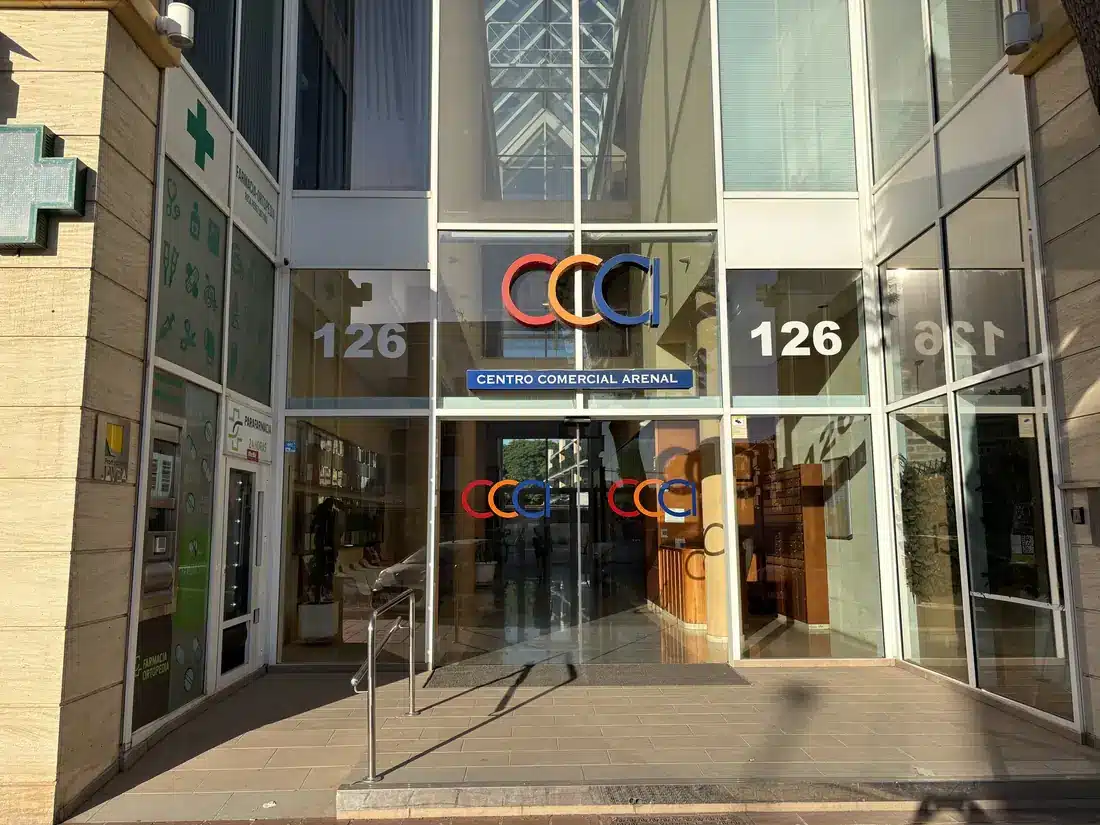
100% remote, from homeMost of our clients never need to travel. We work by email, phone, WhatsApp and video call, and you sign through a power of attorney. Only the NIE has to be applied for in person, in Spain or at a Spanish consulate.
How much do you charge?
Every inheritance is different, so before any work starts we send you a written quote. You know our fee from the beginning, with no surprises at the end.
Next stepWhat happens when you contact us
- You send your enquiryThrough the form below, by phone, WhatsApp or email. A few lines are enough.
- A lawyer reads itNot an assistant: one of our lawyers reviews your situation and replies personally, the same day.
- We tell you the next stepWhat needs to be checked first, and which documents would help.
- We confirm scope and feeIn writing, before any work starts.
- You decideNothing is commissioned until you say yes.
This page is general information about Spanish law and does not constitute legal advice. Every estate is different and you should take advice on your own circumstances before acting.
Independent inheritance lawyers · Jávea
Has a relative died without a will in Spain?
Send us the date of death and a short description of the family. We reply the same day.
Talk to us about an inheritanceor call +34 607 320 768