

Independent lawyers · Jávea, Costa Blanca
Buying Out a Co-Owner or Selling Your Share in a Spanish Property
30+Years of Experience
Whether you want to keep the property and buy the others out, or sell your share to the co-owner who stays: dissolving the co-ownership by agreement, before a notary, usually without anyone travelling.
Same-day reply, personally from a lawyer.
Scroll
0Established
0Years in practice
HundredsInheritances handled
0Google reviews
How can we help?
Choose what you need
Three siblings inherit the family house in Spain. One of them uses it every summer and would like to keep it. The other two would rather have the money. Or a couple separates and one wants to stay in the apartment. Or two cousins end up owning a property between them that neither of them chose.
All of these end in the same place: several people own one property in Spain and at least one of them wants out. In Spanish law the way out is called extinción de condominio, dissolving the co-ownership, and it is a different transaction from selling, with different paperwork and different tax treatment.
The starting pointNobody can be forced to stay a co-owner
This is the starting point, and it is worth knowing before any conversation with the family. Under Spanish law, no co-owner is obliged to remain in co-ownership indefinitely. Any of them can ask for the situation to be brought to an end.
What that means in practice is that the co-owner who wants to leave has real leverage, and the co-owner who wants to keep the property has a real interest in agreeing terms rather than letting things drift. Most of these matters settle for exactly that reason.
The agreed routeHow it is done when everyone agrees
The property is valued, the co-owners agree what the leaving party’s share is worth, and the whole property is awarded to the one who stays, who pays the others their share. It is signed in a deed before a Spanish notary and registered at the Land Registry.
The points that actually decide whether it goes smoothly:
- The property has to be treated as indivisible, which a house or an apartment normally is. You cannot give one sibling the kitchen. That is what allows the whole of it to be awarded to one person with the others compensated in money.
- If there is a mortgage, the bank has to be involvedThe co-owner leaving does not stop being liable to the lender just because they have signed away their share. Releasing them requires the bank’s agreement, and that has to be arranged before signing, not after.
- If it came from an inheritance, the inheritance has to be sorted out firstThe property must already be registered in the heirs’ names. Where it is not, and often it is not because the family never completed the Spanish side, that comes first. If there was no will, see our guide for heirs when someone has died without a will in Spain.
- The tax treatment is the main reason to do this as a dissolution rather than as a saleHandled properly, and where the requirements are met, a dissolution of co-ownership is not taxed in the same way as a sale between strangers. It also has consequences for the person leaving, in their own country as well as in Spain. This is the part that is genuinely worth getting checked before anyone signs, because the difference between doing it one way and the other can be substantial, and it depends on the specific facts.
Our scopeWhat we do and what we do not
We handle the agreed route: the valuation framework, the negotiation between the parties, the tax position, the deed and the registration. That is our work and we do it regularly for families spread across several countries.
Where the co-owners cannot reach any agreement at all, the remedy is a court action to divide the common property. We do not run that litigation, and we will say so at the outset rather than take the matter and hand it on. In our experience most of these do not get that far once each side understands where they actually stand.
From abroadIt can be done from abroad
Co-owners living in another country do not need to travel. A power of attorney signed before a notary in their own country, or at a Spanish consulate, lets us sign and register on their behalf. In most of these matters the parties never meet in the same room, which is sometimes just as well.
How we work
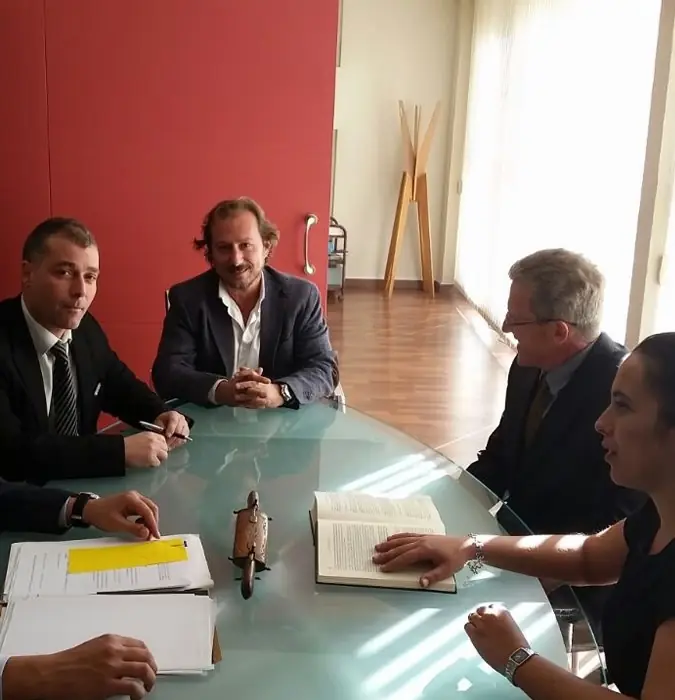
We act from our office in Jávea and through our associated office in Dénia, across the north Costa Blanca: Jávea, Dénia, Moraira, Benitachell, Benissa, Altea and the surrounding area.
Tomas Ballestero Lawyers has been advising international clients on Spanish property and succession for more than 30 years. We work in English, Spanish and French, and we have lawyers in the firm who attend clients in French.
Tell us how many co-owners there are, how the property came to be shared, whether there is a mortgage on it, and who wants to stay. That is enough for us to tell you which route applies. If the plan is to sell instead, see selling inherited property in Spain.
Cannot travel to Spain?
With a power of attorney we complete every step on your behalf, from the first check to signature at the notary, remotely and safely.
Call +34 607 320 768The lawyers who will handle your case
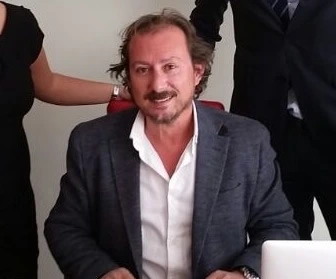
José Manuel Tomas
Conveyancing, Inheritance and Donations · Admitted to the Valencia Bar in 1992 (no. 6407) · Alicante Bar no. 9382
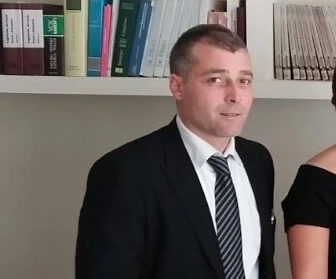
José Rico
Family Law · Valencia Bar no. 12075

Mariano Ortuño
Valencia Bar no. 6041

Manuel Lopez de Andujar
Conveyancing, Inheritance and Donations · Valencia Bar no. 7773
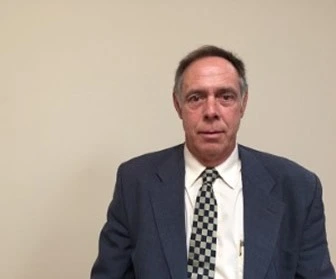
Juan Poch
Conveyancing, Inheritance and Donations · Alicante Bar no. 3607

Rubén Bolufer Martínez
Legal Assistant

María Salvá
Conveyancing, Inheritance and Donations – Dénia · Alicante Bar no. 3699

Antonio Rodríguez de Sola
Conveyancing, Inheritance and Donations – Dénia · Alicante Bar no. 3374
No will in the family? See our guide for heirs when someone has died without a will in Spain.
How we meetIn person in Jávea, or 100% remote

100% remote, from homeMost of our clients never need to travel. We work by email, phone, WhatsApp and video call, and you sign through a power of attorney. Only the NIE has to be applied for in person, in Spain or at a Spanish consulate.
How much do you charge?
Every case is different, so before any work starts we send you a written quote. You know our fee from the beginning, with no surprises at the end.
Next stepWhat happens when you contact us
- You send your enquiryThrough the form below, by phone, WhatsApp or email. A few lines are enough.
- A lawyer reads itNot an assistant: one of our lawyers reviews your situation and replies personally, the same day.
- We tell you the next stepWhat needs to be checked first, and which documents would help.
- We confirm scope and feeIn writing, before any work starts.
- You decideNothing is commissioned until you say yes.
This page is general information about Spanish law and does not constitute legal advice. Every case is different and you should take advice on your own circumstances before acting.
Independent lawyers · Jávea
Co-owning a property in Spain?
Tell us how many co-owners there are and who wants to stay. We reply the same day.
Talk to us about a co-owned propertyor call +34 607 320 768