

Independent inheritance lawyers · Jávea, Costa Blanca
Spanish Inheritance Law: A Complete Guide for Expats
30+Years of Experience
Which law applies, who inherits and what your will can change, explained in plain English by independent lawyers in Jávea.
Same-day reply, personally from a lawyer.
Scroll
0Established
0Years in practice
HundredsInheritances handled
0Google reviews
How can we help?
Choose what you need
If you own property in Spain or live here, Spanish inheritance law will affect your family, and it works very differently from the rules in the United Kingdom, Ireland, the Netherlands or Scandinavia. This guide explains, in plain English, which law applies, who inherits, and what you can do about it in your will.
Which law appliesThe EU Succession Regulation
Since 17 August 2015, Spain applies EU Regulation 650/2012 to every succession with an international element, whatever the nationality of the person who has died. The general rule is that the law of the country of habitual residence at the time of death governs the whole succession. If you live in Spain, that is Spanish law.
In your will, however, you can choose the law of your nationality instead. The choice has to be made expressly. The United Kingdom has never taken part in the Regulation, but Spain applies it all the same, so a British national can choose British law in a Spanish will.
Who inheritsForced heirship: the “legítima”
Where Spanish law applies, part of the estate is reserved by law for certain relatives, whatever the will says.
- With childrenTwo thirds of the estate are reserved for the children and other descendants: one third in equal shares, and one third that can be distributed among them unequally. Only the last third can be left freely.
- Without childrenIf there are no descendants, the parents are entitled to half of the estate, or to one third if there is also a surviving spouse.
- The surviving spouseThe spouse does not receive full ownership by right, but a life interest (usufruct): over one third of the estate alongside children, over half alongside parents, and over two thirds otherwise.
For many couples from countries with freedom of testation, this is the main reason to make a Spanish will that chooses the law of their nationality.
No willDying without a will
If there is no will and Spanish law applies, the estate passes first to the children and other descendants, then to the parents, then to the surviving spouse, and then to brothers and sisters. The spouse keeps the life interest described above, but alongside children or parents does not inherit outright. An unmarried partner receives nothing. See our page on what happens if you die without a will in Spain.
Planning aheadA Spanish will
A separate Spanish will covering your Spanish assets makes the inheritance simpler for your heirs, and it is where the choice of law is made. It has to be drafted so that it does not revoke your will at home, and the other way round. Review it whenever something important changes. We prepare Spanish wills for the clients whose purchase, sale or inheritance in Spain we are handling. See our guides to Spanish wills for non-residents and the Spanish will versus the English will.
After a deathThe Spanish process
Assets in Spain are dealt with in Spain, before a Spanish notary: the death certificate and the certificate of last wills, the will, a NIE for each heir, Spanish inheritance tax within six months of the death, the deed of acceptance of the inheritance, and registration of the property in the heirs’ names. Apart from the NIE, which has to be applied for in person, everything can be done by power of attorney. See our guide to probate in Spain.
Questions
Can I disinherit a child under Spanish law?
Only for the specific causes set out in the Civil Code, and the cause has to be stated in the will. Otherwise the child keeps the reserved share. Choosing the law of your nationality, where it allows it, is the usual way to keep your freedom.
Does choosing my national law change the inheritance tax?
No. The choice of law decides who inherits. Spanish inheritance tax on assets in Spain is a separate matter and depends on the region and on the relationship to the deceased.
Can a married couple make one will together?
No. Spanish law does not allow joint wills. Each spouse signs their own, and the two can mirror each other.
How we work
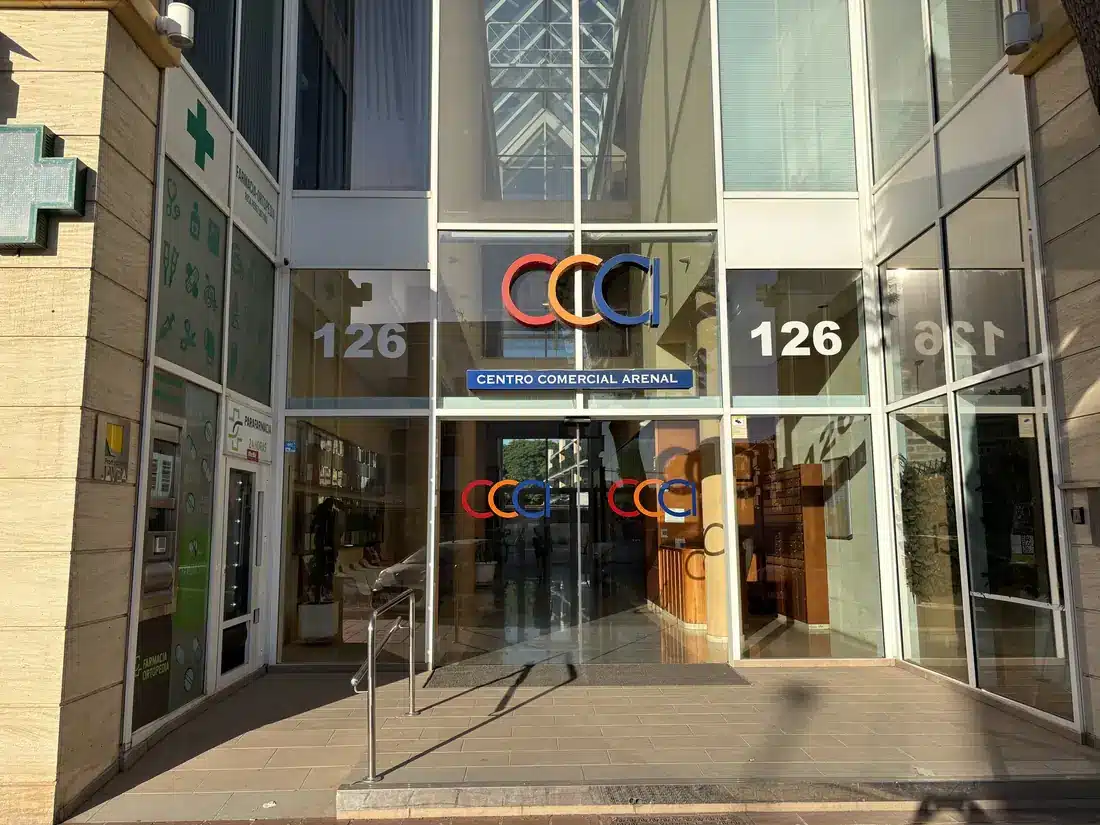
We act from our office in Jávea and through our associated office in Dénia, across the north Costa Blanca. We are Spanish lawyers and we cover the Spanish side of the inheritance. Town by town: inheritance lawyers in Jávea, Dénia, Moraira, Benitachell, Teulada, Benissa and Altea.
Tomas Ballestero Lawyers has been advising international clients on Spanish property and succession for more than 30 years. We work in English, Spanish and French.
Cannot travel to Spain?
With a power of attorney we complete every step on your behalf, from the first document to the registration of the property, remotely and safely.
Call +34 607 320 768The lawyers who will handle your inheritance
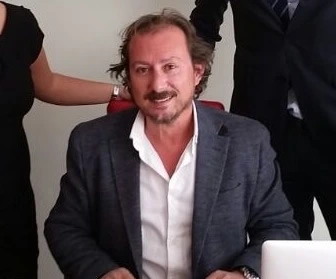
José Manuel Tomas
Property, Inheritance and Donations · Admitted to the Valencia Bar in 1992 (no. 6407) · Alicante Bar no. 9382
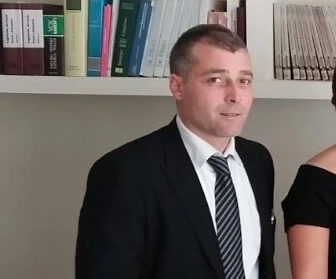
José Rico
Family Law · Valencia Bar no. 12075
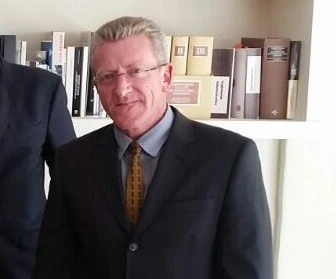
Mariano Ortuño
Valencia Bar no. 6041
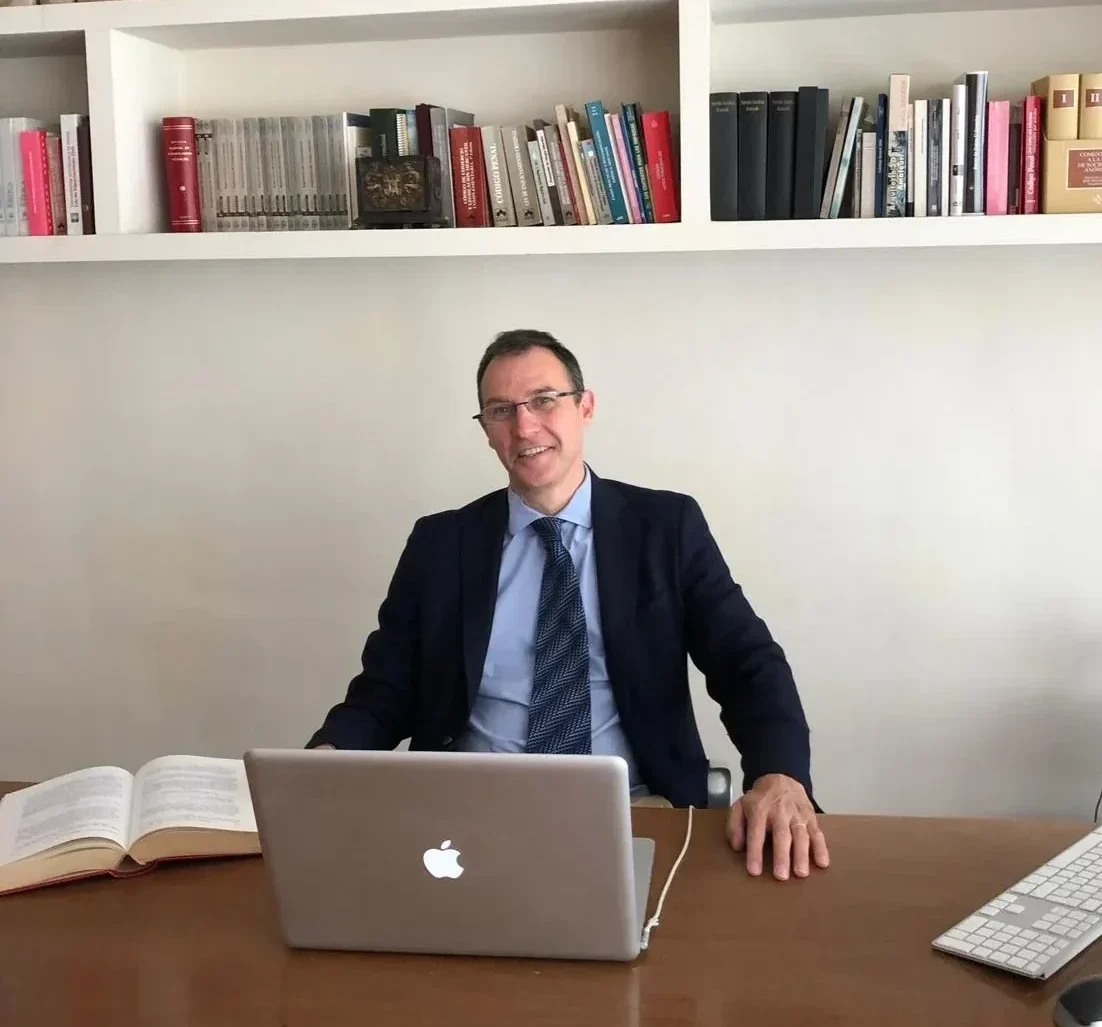
Manuel Lopez de Andujar
Property, Inheritance and Donations · Valencia Bar no. 7773
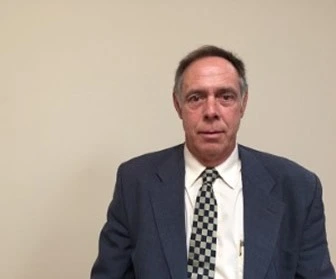
Juan Poch
Property, Inheritance and Donations · Alicante Bar no. 3607
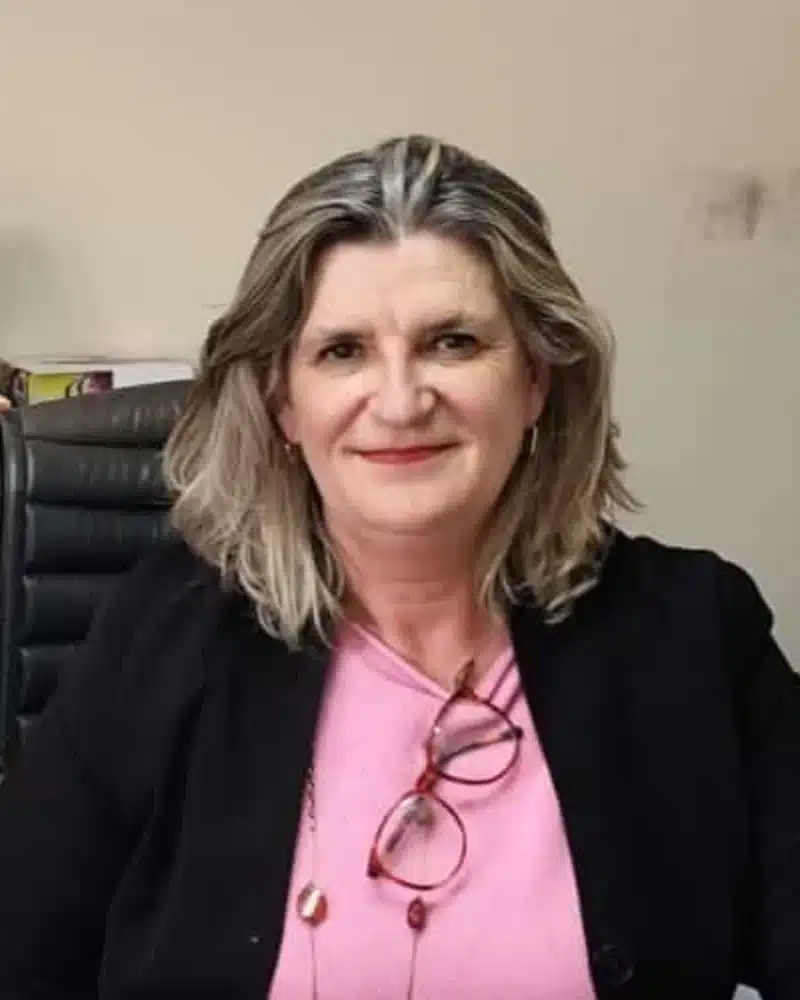
María Salvá
Property, Inheritance and Donations – Dénia · Alicante Bar no. 3699
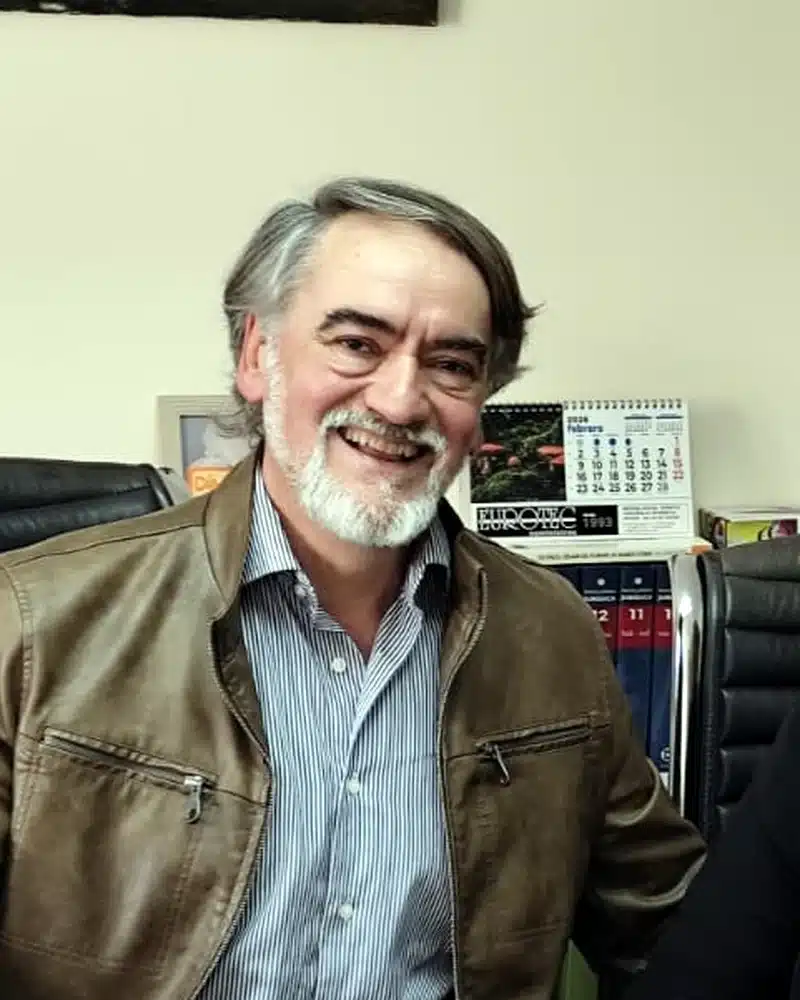
Antonio Rodríguez de Sola
Property, Inheritance and Donations – Dénia · Alicante Bar no. 3374
See buying out a co-owner or selling your share.
How we meetIn person in Jávea, or 100% remote
100% remote, from homeMost of our clients never need to travel. We work by email, phone, WhatsApp and video call, and you sign through a power of attorney. Only the NIE has to be applied for in person, in Spain or at a Spanish consulate.
How much do you charge?
Every inheritance is different, so before any work starts we send you a written quote. You know our fee from the beginning, with no surprises at the end.
Next stepWhat happens when you contact us
- You send your enquiryThrough the form below, by phone, WhatsApp or email. A few lines are enough.
- A lawyer reads itNot an assistant: one of our lawyers reviews your situation and replies personally, the same day.
- We tell you the next stepWhat needs to be checked first, and which documents would help.
- We confirm scope and feeIn writing, before any work starts.
- You decideNothing is commissioned until you say yes.
This page is general information about Spanish law and does not constitute legal advice. Every estate is different and you should take advice on your own circumstances before acting.
Independent inheritance lawyers · Jávea
Questions about an inheritance in Spain?
Send us a few lines about the family and the property. We reply the same day.
Talk to us about an inheritanceor call +34 607 320 768