
Donations of property · Costa Blanca, Spain
Gifting Property in Spain to Your Children or Family
30+Years of Experience
Passing your Spanish home to your children or other family members during your lifetime: the deed before the notary, the three taxes and the signing by power of attorney, explained by independent lawyers in Jávea.
Same-day reply, personally from a lawyer.
Scroll
0Established
0Years in practice
3,000+International clients
0Google reviews
How can we help?
Choose what you need
Buying or sellingA villa, an apartment or a plot on the Costa Blanca. Checks, contracts and the notary.See more →Inheritance and willsYou have inherited a property in Spain, or you want a Spanish will.See more →Gifting a propertyPassing your property in Spain to your children during your lifetime.See more →
You can give your Spanish property to your children, or to another family member, during your lifetime. It is done by a deed of donation (escritura de donación) signed before a Spanish notary and registered at the Land Registry, and once signed it is irrevocable. Three separate taxes can arise: gift tax, payable by the person receiving it, in the region where the property is located; capital gains tax on the parent making the gift, which is the cost most people never see coming; and the municipal plusvalía. Whether gifting now works out better than leaving the property in a will depends entirely on the region, the family relationship and the figures of your particular case, and it must be calculated before anything is signed.
The basicsWhat a donation is under Spanish law
A donation is a transfer of ownership made during your lifetime and without payment. In Spain it is not a private arrangement between family members: to transfer real estate it must be granted in a public deed before a notary, accepted by the person receiving it, and entered in the Land Registry. Until it is registered, the child is not the owner as far as third parties are concerned.
It is also, as a rule, irreversible. Spanish law allows a donation to be revoked only in narrowly defined circumstances, such as serious ingratitude or the later birth of children. This is the single most important thing to understand before signing: unlike a will, which you can change as often as you like, a donation is final the day it is executed.
StructuresThe three structures we normally use
- Gift of the bare ownership, keeping the usufructThe parent gives the children the bare ownership (nuda propiedad) and keeps the lifetime right to use the property and to receive any rent from it (usufructo vitalicio). The parents can go on living there, or renting it out, exactly as before. On the death of the surviving parent the usufruct extinguishes and the children consolidate full ownership. This is the structure most families choose, because it transfers the asset without the parents losing control of their home.
- Gift of full ownershipThe children receive everything, immediately. It is the cleanest option and the right one when the parents have already moved elsewhere or the property is not their residence, but it means giving up the right to live there and to any income the property produces.
- Gift with a right of reversionThe deed provides that ownership returns to the donor if a stated event occurs — most commonly the death of the child before the parent. It is a protective clause for families worried about the property leaving the bloodline, and it has to be drafted into the deed at the time; it cannot be added afterwards.
TaxesThe three taxes involved
- Gift tax (Impuesto sobre Sucesiones y Donaciones)Paid by the person who receives the property, and governed by the autonomous region where the property is located. For Javea, Moraira, Denia and Valencia that is the Valencian Community, which applies its own reductions, which depend on the family relationship. The reductions are conditional and change over time, so the position has to be checked at the moment of the gift and not assumed from what a neighbour paid.
- Capital gains tax on the parent — the hidden trapThis is the one that catches families out. Under Spanish law, giving a property away is treated as a disposal for the person giving it. If the property is worth more now than when it was acquired, the parent can be taxed on that increase in value even though they have received no money at all. Non-resident owners are affected in the same way. Any serious comparison between gifting and inheriting has to include this figure, and in many cases it is what tips the balance.
- Municipal plusvalíaThe local tax on the increase in the value of the land, charged by the town hall where the property sits. It arises on a gift just as it does on a sale or an inheritance.
Gift or willGift now, or leave it in the will?
There is no general answer, and anyone who gives you one without looking at your deeds is guessing. What actually decides it is the difference between what the property cost you and what it is worth today, the reductions available in the Valencian Community at the time, whether you need to keep living in the property, and the tax position in your own country. In some families the numbers clearly favour a lifetime gift; in others the capital gains charge on the parent makes inheriting far cheaper. We run the comparison for both routes before you commit to either, and we put it in writing.
Non-residentsIf you are a non-resident owner
Most of the donations we handle are for owners who live in the United Kingdom, Ireland, the United States, France, Belgium or Switzerland. The Spanish side of the transaction works the same way, but there is a second layer to consider: your own country may treat the gift as a taxable event, may impose reporting obligations, or may continue to count the property as part of your estate for a period after the gift. British and American owners in particular should not assume that giving away Spanish property removes it from their home estate. We coordinate the Spanish deed with your tax adviser at home so that the two sides do not contradict each other, and we tell you plainly when a question belongs to your adviser rather than to us.
From abroadDoing it without travelling to Spain
Neither the parent nor the child needs to be in Spain to sign. A power of attorney granted before a notary in your own country, with the Hague apostille and a sworn translation, allows us to appear at the Spanish notary on your behalf. We prepare the wording of the power so that it covers exactly the donation you intend and nothing more. In practice most of the donations we complete for families abroad are signed this way.
How we workHow the process runs
We start by checking the property at the Land Registry and the cadastre: who is registered as owner, whether there are mortgages, charges or unpaid community fees, and whether what is built matches what is registered. We confirm that everyone involved has a NIE and a Spanish tax position. We then calculate the three taxes for the structure you are considering, and for the alternative of doing nothing, so you can compare. Once you decide, we draft the deed, agree it with the notary, arrange the signing — in person or by power of attorney — file and pay the taxes within the legal deadlines, and register the change of ownership. You receive the registered deed at the end.
QuestionsFrequently asked questions
Can I gift my Spanish property to my children? Yes. Any owner with legal capacity can give Spanish real estate to their children during their lifetime, whether or not they live in Spain and whatever their nationality. It has to be done by notarial deed and registered. If the property is jointly owned, every co-owner has to take part. The same deed is used to gift to a spouse, grandchildren, siblings or anyone else; the tax treatment depends on the relationship.
Who pays the tax on a gift of Spanish property? The child receiving the property pays the gift tax, in the region where the property is located. The parent making the gift may separately be liable for capital gains tax in Spain on the increase in value since they acquired it. The municipal plusvalía is normally borne by the recipient unless the deed says otherwise.
Is it cheaper to gift the property now or to leave it in a will? It depends on your case and it has to be calculated. The Valencian Community offers reductions for both gifts and inheritances between parents and children, but the capital gains charge on the parent applies to a gift and not to an inheritance. That single difference is often what decides it. We produce the comparison before you choose.
Can I keep living in the property after giving it to my children? Yes, if the deed gives the children only the bare ownership and reserves the usufruct to you for life. You keep the right to live there and to any rent. This is the most common arrangement among the families we advise.
Do I have to travel to Spain to sign the donation? No. A power of attorney signed before a notary in your own country, apostilled and translated, lets us sign in Spain on your behalf. The same applies to the child accepting the gift.
Can a donation be cancelled once it is signed? Only in the limited cases Spanish law provides for, such as serious ingratitude or the subsequent birth of a child, or where the deed itself includes a right of reversion agreed at the time. Treat it as final. This is why the decision has to be worked through before signing and not after.
What if my children live abroad? That is the normal situation for our clients and it presents no obstacle. The children need a Spanish NIE and can accept the gift by power of attorney without coming to Spain.
Before you signTalk to us before you sign anything
Tomas Ballestero Lawyers is an independent Spanish law firm based in Javea (Xàbia), with an associated office in Dénia. We have been advising international property owners on the Costa Blanca for more than 30 years, and we act for you alone — never for the other side. We cover Javea, Moraira, Teulada, Benissa, Benitachell, Denia, Pego, Oliva and Valencia, and we work in English, French and Spanish.
See also: Spanish inheritance and wills, Spanish will or English will, power of attorney in Spain, inheritance in Spain for American citizens and property lawyer in Moraira.
Buying or selling in Spain? Our property lawyers in the Costa Blanca and Valencia act for international clients, in person or by power of attorney. Call 965 792 946 or email [email protected].
Cannot travel to Spain?
With a power of attorney we complete every step on your behalf, from the first check to signature at the notary, remotely and safely.
Call +34 607 320 768
Our lawyers
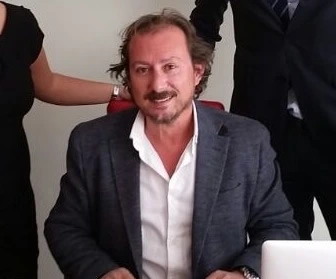
José Manuel Tomas
Property, Inheritance and Donations · Admitted to the Valencia Bar in 1992 (no. 6407) · Alicante Bar no. 9382
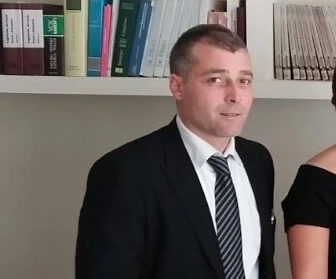
José Rico
Family Law · Valencia Bar no. 12075
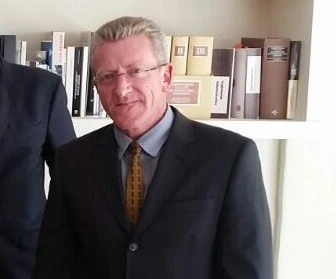
Mariano Ortuño
Valencia Bar no. 6041
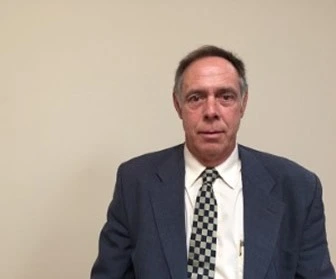
Juan Poch
Property, Inheritance and Donations · Alicante Bar no. 3607
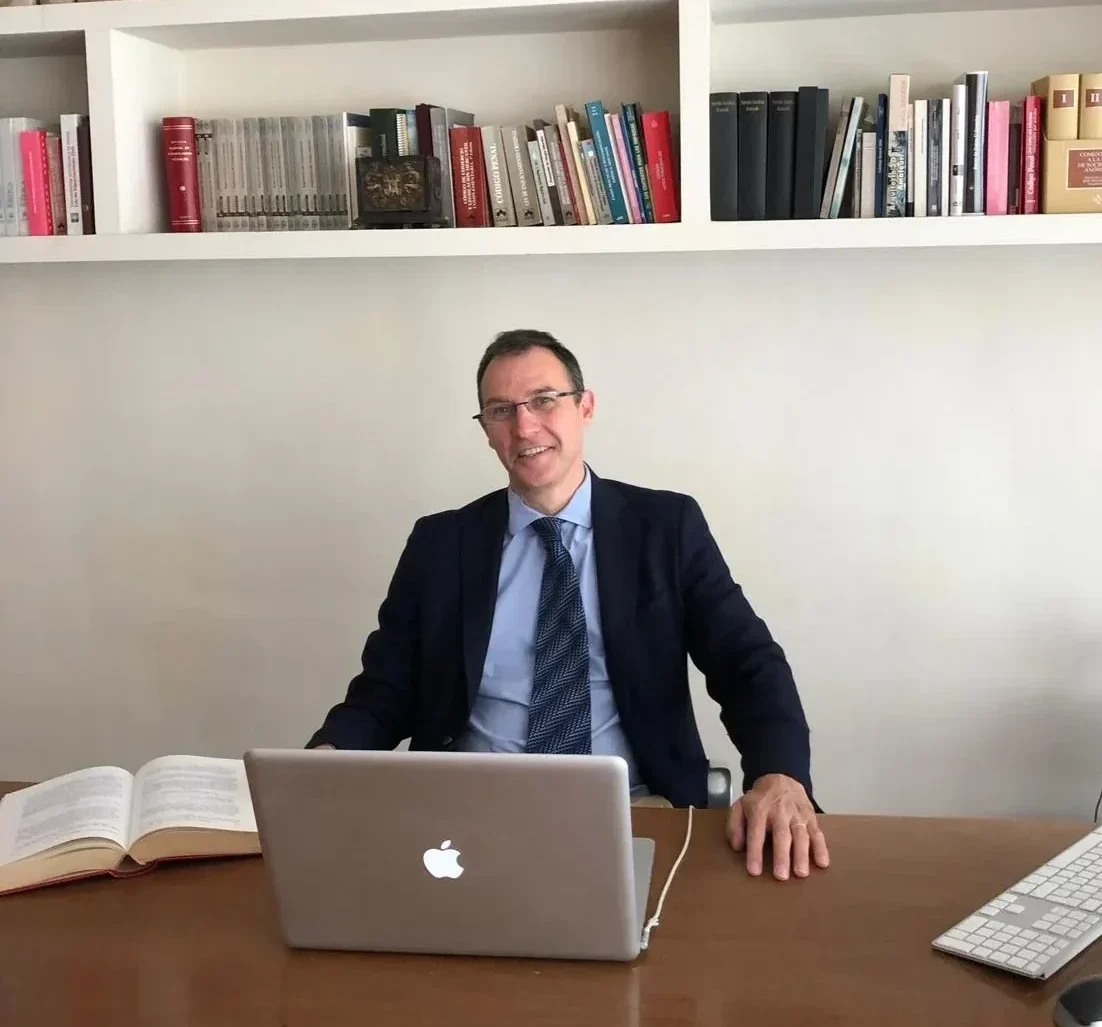
Manuel Lopez de Andujar
Property, Inheritance and Donations · Valencia Bar no. 7773
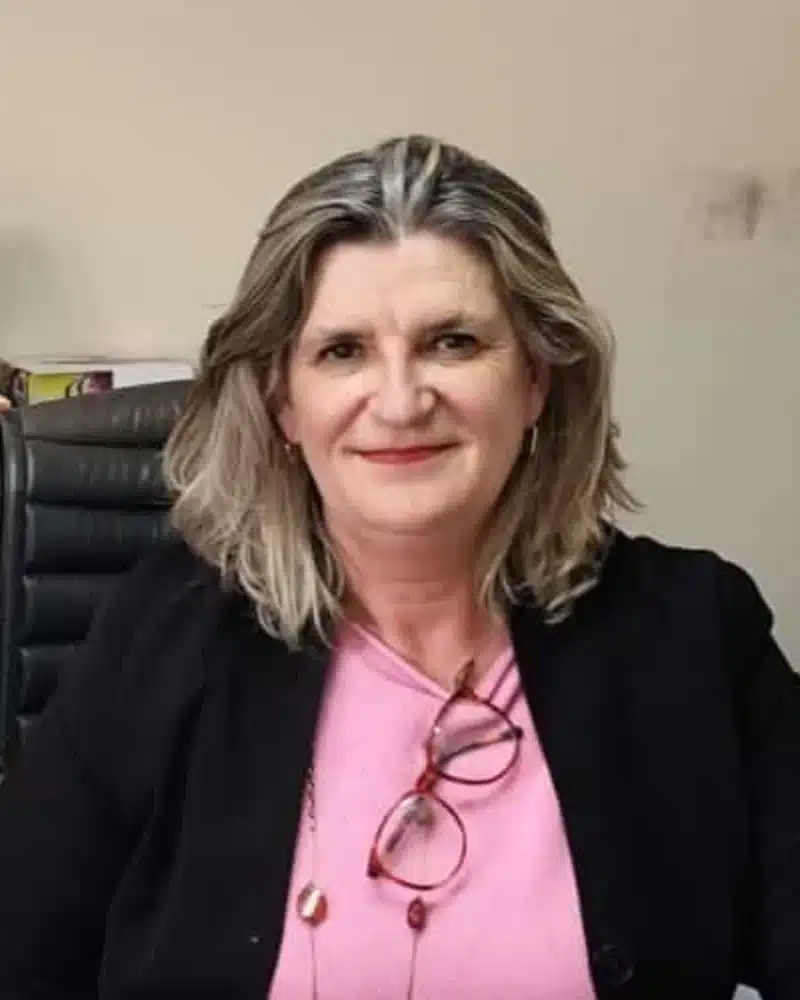
María Salvá
Property, Inheritance and Donations – Dénia · Alicante Bar no. 3699
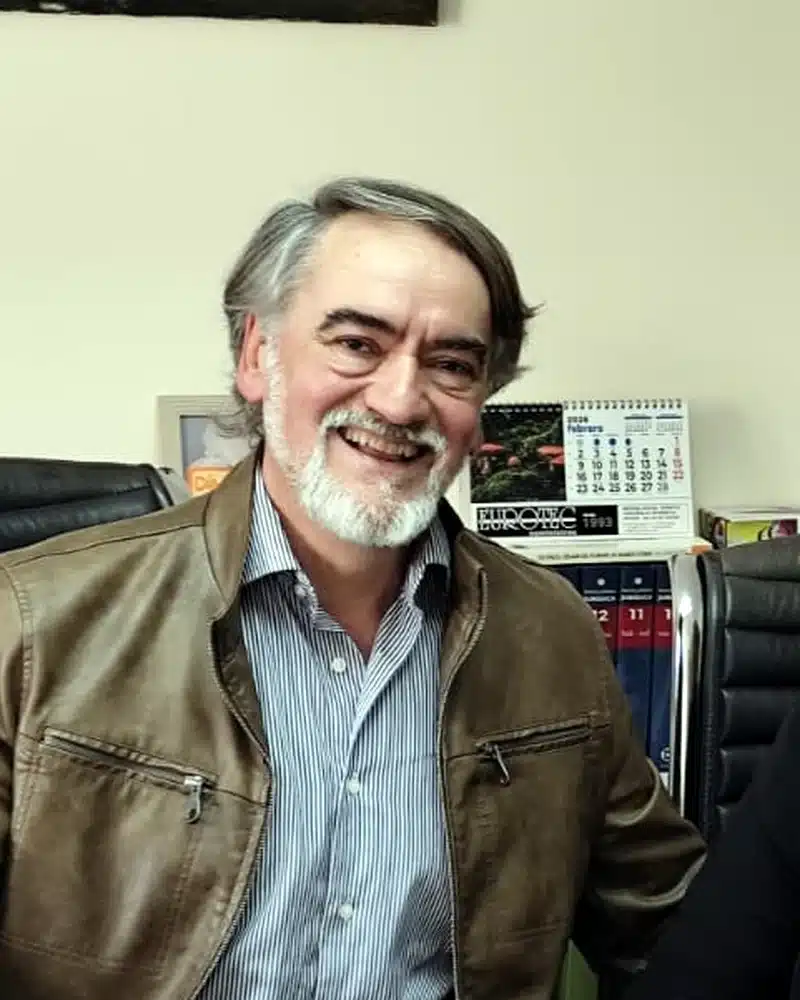
Antonio Rodríguez de Sola
Property, Inheritance and Donations – Dénia · Alicante Bar no. 3374
How we meetIn person in Jávea, or 100% remote
100% remote, from homeMost of our clients never need to travel. We work by email, phone, WhatsApp and video call, and you sign through a power of attorney. Only the NIE has to be applied for in person, in Spain or at a Spanish consulate.
How much do you charge?
Every case is different, so before any work starts we send you a written quote. You know our fee from the beginning, with no surprises at the end.
Next stepWhat happens when you contact us
- You send your enquiryThrough the form below, by phone, WhatsApp or email. A few lines are enough.
- A lawyer reads itNot an assistant: one of our lawyers reviews your situation and replies personally, the same day.
- We tell you the next stepWhat needs to be checked first, and which documents would help.
- We confirm scope and feeIn writing, before any work starts.
- You decideNothing is commissioned until you say yes.
Disclaimer. The information on this page is general in nature and does not constitute legal advice. Every property and every transaction is different, and the applicable rules may change. No decision should be taken on the basis of this page alone without obtaining advice on your specific case. Tomas Ballestero Lawyers accepts no liability for actions taken in reliance on this general information.
Donations of property · Costa Blanca
Ready to talk about gifting your Spanish property?
Tell us about your case. We reply the same day.
Talk to a lawyeror call +34 607 320 768